Ayurvedic Daily Routine: Dinacharya Certification Course, Section 8, Lecture 65
Introduction
Ayurveda, the ancient science of healing, emphasizes the importance of daily self-care routines to maintain a balanced body and mind. One such essential practice is Abhyanga, or Ayurvedic body massage. While a full-body massage is ideal, ancient texts state that even if you don’t have time for an extensive routine, you must at least massage three key body parts every single day—the head, ears, and feet. These areas are deeply connected to our overall well-being, as they house vital energy points and nerve endings that influence multiple bodily functions.
Let’s dive into why these three areas are crucial for Ayurvedic massage and how you can incorporate this practice into your daily routine!
1. Head Massage: The Gateway to Relaxation
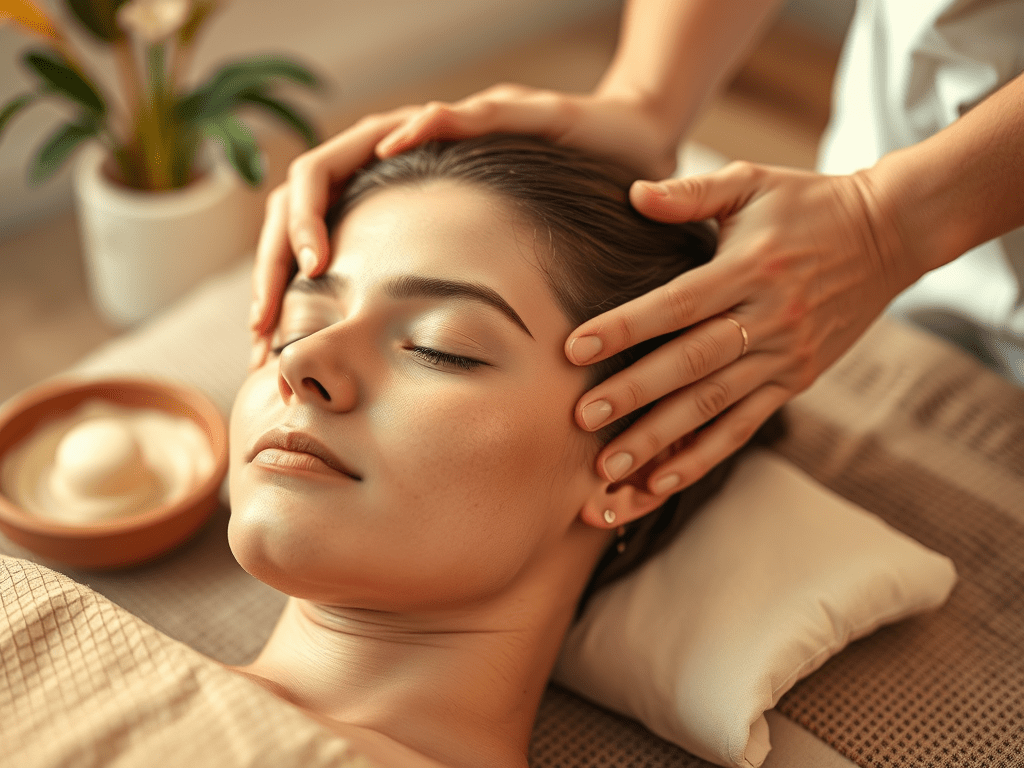
The head is one of the most important areas to massage daily. In Ayurveda, the head is home to the Sahasrara Chakra (Crown Chakra), which is responsible for mental clarity and spiritual connection. Regular head massages can help with:
- Reducing stress and anxiety
- Improving sleep quality
- Strengthening hair and preventing hair fall
- Enhancing mental alertness and focus
How to Massage Your Head
- Choose the Right Oil: Use warm coconut oil, sesame oil, or Brahmi oil for nourishment.
- Use Gentle Circular Motions: Start from the crown of your head and move outward in small circles.
- Focus on the Temples: Apply light pressure on your temples to relieve tension.
- Massage the Scalp: Use your fingertips to gently press and stimulate blood circulation.
- Let the Oil Absorb: Leave the oil on for at least 20–30 minutes before washing your hair.
2. Ear Massage: The Hidden Energy Points
The ears are often overlooked when it comes to massage, but according to both Ayurveda and acupuncture, they contain numerous marma points (vital energy points) that influence various bodily functions. Massaging the ears helps in:
- Balancing the nervous system
- Enhancing auditory health
- Reducing stress and improving emotional well-being
- Supporting hormonal balance
How to Massage Your Ears
- Warm the Oil: Use sesame oil or almond oil for best results.
- Rub the Outer Ear: Gently rub the outer ear with your fingers, applying light pressure.
- Massage the Earlobes: Pinch and massage your earlobes, as they correspond to different organs.
- Press the Tragus and Helix: These areas contain pressure points that aid relaxation.
- Inside the Ear: Dip a clean cotton swab in warm oil and gently apply it around the inner folds.
3. Foot Massage: The Foundation of Well-Being
In Ayurveda, the feet are considered a map of the entire body. The feet contain important reflexology points connected to different organs, and massaging them can provide immense benefits, such as:
- Improving blood circulation
- Relieving stress and anxiety
- Boosting immunity
- Enhancing eyesight (as per Ayurvedic texts)
- Detoxifying the body
How to Massage Your Feet
- Choose the Right Oil: Use warm ghee, coconut oil, or castor oil.
- Start with the Soles: Use your thumbs to apply firm pressure in circular motions.
- Massage the Toes: Gently pull and rotate each toe to stimulate the nerve endings.
- Press the Arch and Heel: These areas are linked to digestion and lower back health.
- Relax and Absorb: Let the oil absorb for 15–20 minutes before rinsing with warm water.
Why These Three Areas Matter Most
Ayurveda emphasizes that our head, ears, and feet are highly sensitive areas where vital energy pathways (nadis) and nerve endings converge. By massaging these areas daily, we stimulate circulation, balance energy flow, and promote overall well-being.
Quick Summary:
| Body Part | Benefits | Best Oil Choices |
|---|---|---|
| Head | Reduces stress, improves sleep, strengthens hair | Coconut oil, Brahmi oil |
| Ears | Balances the nervous system, reduces stress | Sesame oil, almond oil |
| Feet | Boosts circulation, detoxifies, improves immunity | Ghee, coconut oil, castor oil |
Final Thoughts
Incorporating a quick 5-minute massage routine for your head, ears, and feet can bring significant changes in your overall health. Whether you do it in the morning to energize your day or in the evening to relax, Ayurvedic self-massage (Abhyanga) is a simple yet powerful practice that supports both your physical and mental well-being.
So, why not take a few minutes every day to show some love to these three essential areas? Your body and mind will thank you for it!
 Ritucharya
Leave a comment