
-
Ayurveda classifies individuals based on their **Prakriti**, or natural constitution, which is primarily influenced by the three doshas—**Vata, Pitta, and Kapha**. Understanding your **Dosha Prakriti** helps in making informed lifestyle and dietary choices to maintain balance and prevent health issues.…
-

Understanding Ayurvedic Body Types: Vata, Pitta, and Kapha
Ayurveda categorizes human bodies into three doshas—**Vata, Pitta, and Kapha**—each with unique physical, metabolic, and mental traits. Understanding your dosha helps in maintaining balance, preventing diseases, and adopting a personalized lifestyle for optimal well-being. This guide explores the characteristics, common…
-
Anu Taila: A Natural Approach to COVID-19 Management
COVID-19 Management with Anu Taila Anu Taila is a traditional Ayurvedic oil known for its potential in managing various health conditions. Given its diverse range of herbal ingredients, it may help address different symptoms associated with COVID-19. Below, we analyze…
-

Understanding Upyokta: The Consumer in Ayurveda
Ayurveda emphasizes the importance of individual body types, or doshas, in shaping dietary choices. Understanding one’s dosha influences digestion, metabolism, and food effects. Each person should tailor their diet according to current health conditions, age, and lifestyle. Listening to the…
-

The Art of Eating Right: Ayurveda’s Upyog Sanstha (Food Consumption Rules)
The Ayurvedic Daily Routine emphasizes mindful eating habits to enhance digestion and overall health. Key principles include consuming warm food, including healthy fats, maintaining a balanced pace, minimizing distractions, expressing gratitude, eating only when hungry, sitting properly, avoiding screens, fostering…
-

The Importance of Kaal (Time) in Ayurveda: When to Eat for Optimal Health
The Ayurvedic concept of Kaal emphasizes the importance of timing in food consumption for optimal digestion and health. Key guidelines include having the largest meal at noon when digestive fire is strongest, consuming lighter meals in the morning and evening,…
-

The Importance of Place in Ayurveda: Eating What Grows Near You
The Ayurvedic principle of Desha emphasizes the importance of consuming local and seasonal foods suited to one’s geographical area. It highlights how climate impacts dietary choices for optimal health, suggesting mindful eating environments and appropriate cooking methods. By eating according…
-

The Importance of Food Quantity in Ayurveda: Finding the Right Balance
Ayurveda emphasizes the importance of food quantity, focusing on two aspects: Samagra Rashi (total meal quantity) and Parigraha Rashi (individual food portions). Proper balance enhances digestion and overall health. Overeating or undereating can lead to imbalances. Individuals should adjust portions…
-

The Importance of Food Combinations in Ayurveda
Ayurvedic nutrition emphasizes the importance of food combinations, called Sanyog, to enhance well-being. Some pairings like banana with cardamom boost digestion, while others, such as milk with fish, can disrupt health. Timing also matters; consuming certain foods at specific times…
-
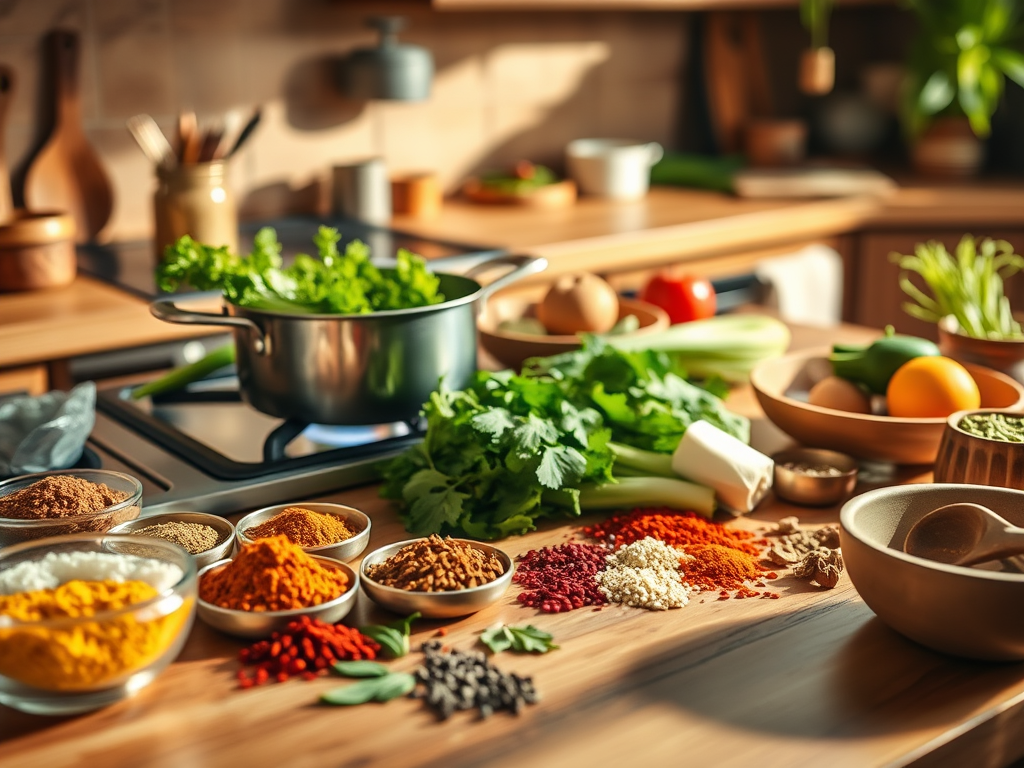
The Importance of Food Preparation in Ayurveda
The Ayurvedic concept of Karan emphasizes the importance of food preparation for optimal digestion and nutrient absorption. Properly cooked food enhances health, while improper methods can create toxins. Different cooking techniques cater to individual body types, promoting overall well-being. Mindful…
Join 900+ subscribers
Stay in the loop with everything you need to know.
 Ritucharya