Tag: Ayurveda
-

The Right Post-Massage Routine: What to Do After an Ayurvedic Massage
An Ayurvedic massage, or Abhyanga, offers numerous benefits, but the post-massage routine is crucial. Ayurveda recommends light exercise after a massage to enhance oil absorption, promote detoxification, and maintain body warmth. This includes yoga, traditional squats, or walking, followed by rest and a warm bath to maximize the massage’s effects.
-
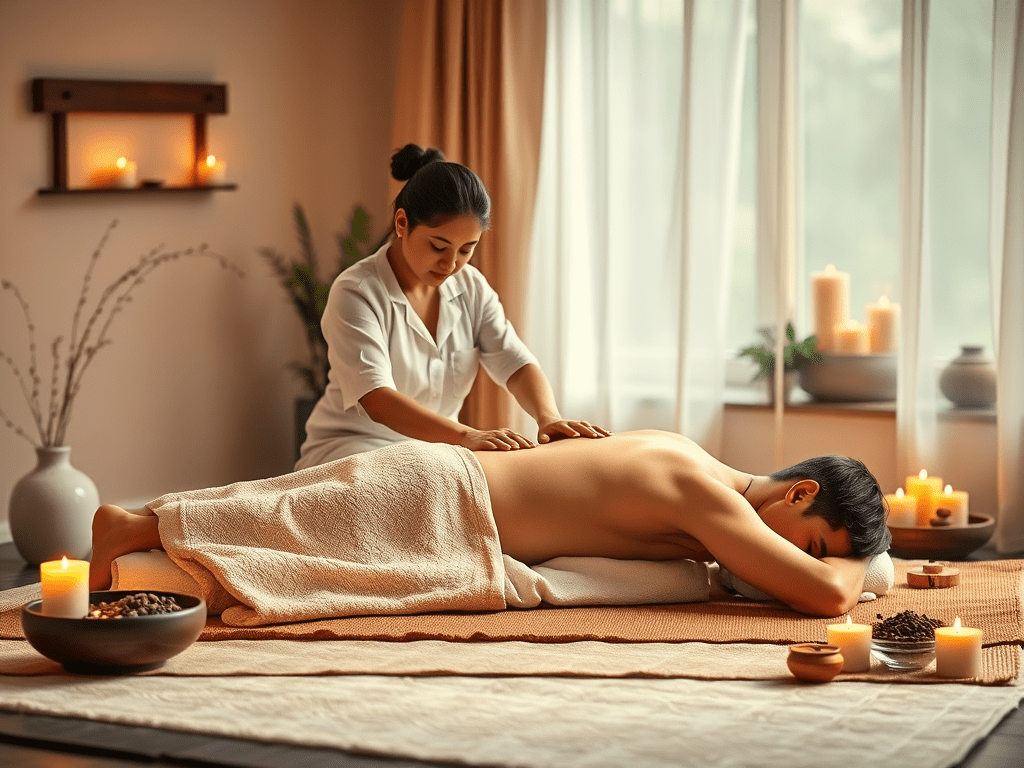
The Role of Ayurvedic Body Massage in Health and Sickness
Ayurvedic body massage offers numerous health benefits, aiding in joint pain relief, stress reduction, and improved circulation. However, it should be avoided during conditions like fever, digestive issues, chronic pain, or autoimmune disorders. Consulting an Ayurvedic expert and taking precautions ensures safe and effective utilization of this ancient healing practice.
-
Ayurvedic Massage for Pitta Dosha: A Guide to Cooling and Balancing
The Ayurvedic Daily Routine focuses on balancing the Pitta dosha, which can lead to overheating and irritability. Recommended strategies include using cooling oils like coconut and sandalwood, practicing gentle massage techniques, and avoiding excessive heat. Additionally, a Pitta-friendly diet and relaxing activities are crucial for maintaining balance and overall well-being.
-
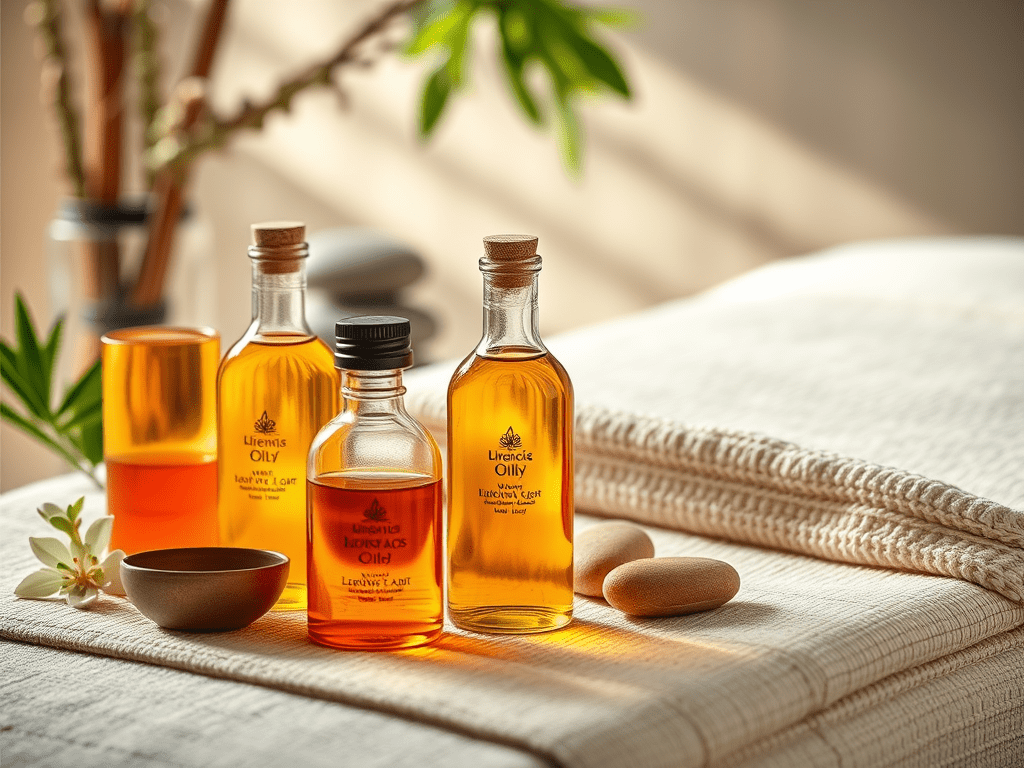
Ayurvedic Body Massage: Tailoring Abhyanga for Your Dosha
Ayurvedic body massage, or Abhyanga, tailors techniques to individual doshas—Vata, Pitta, and Kapha. Each dosha requires specific oils and strokes to maintain balance and well-being. This practice promotes circulation, detoxification, stress reduction, and improves skin health, highlighting the importance of personalizing massage methods based on body type.
-

The Ultimate Guide to Ayurvedic Self-Massage (Abhyanga)
Ayurvedic self-massage, or Abhyanga, is a vital self-care practice promoting overall well-being through relaxation, enhanced circulation, and balanced energy. Recommended for mornings, it focuses on key areas: head, ears, and feet. Daily practice using suitable oils can transform health and rejuvenate body and mind in just 5-10 minutes.
-
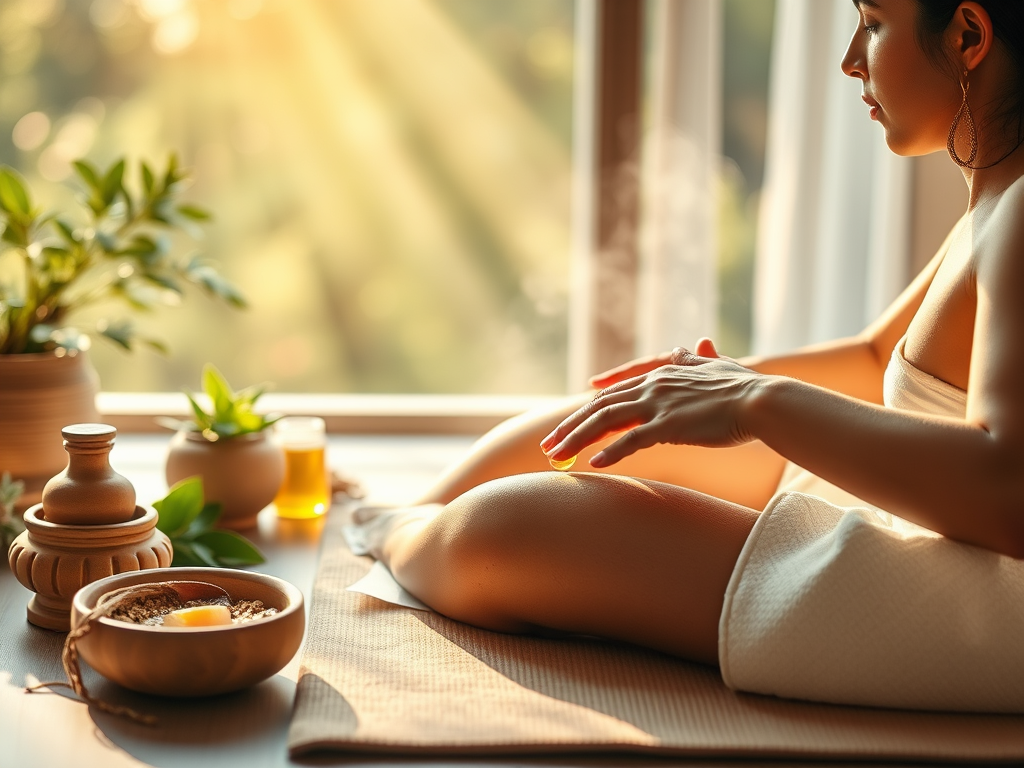
The Best Time for Abhyanga: Ayurvedic Self-Massage Guide
Abhyanga, an Ayurvedic self-massage, is best practiced in the morning before bathing, as it enhances circulation and detoxifies the body. Avoid massaging after meals to prevent digestive disruption. Evening sessions are also beneficial for relaxation and pain relief. Regular practice promotes overall well-being and balances doshas effectively.
-
The Best Time for Abhyanga: Ayurvedic Body Massage
Abhyanga, an Ayurvedic self-care ritual involving body massage, is most beneficial when practiced in the morning during Kapha time. It enhances circulation, detoxifies the skin, and primes the body for the day. Proper technique involves elimination beforehand, using appropriate oils, and allowing oil absorption, followed by a warm bath for optimal benefits.
-

The Best Ayurvedic Oils for Your Body Massage
The Ayurvedic Daily Routine emphasizes self-care through massage, recommending specific oils for each body type or Dosha: Vata (Almond Oil), Pitta (Coconut Oil), and Kapha (Castor or Mustard Oil). Understanding your Dosha helps in selecting the right oil, promoting relaxation, detoxification, and nourishment tailored to individual needs.
-

How to Prepare for a Full-Body Massage: The Ayurvedic Way
The Ayurvedic Daily Routine emphasizes the benefits of self-massage (Abhyanga) for overall well-being. Key preparation steps include selecting a calm, comfortable space, using a natural mat, wearing loose clothing, and choosing appropriate oil based on body types. Consistency, technique, and relaxation afterward enhance the massage’s effectiveness for a rejuvenating experience.
-
Ayurvedic Gandush: A Natural Remedy for Oral Health and Beyond
The Ayurvedic practice of Gandush, or oil pulling, promotes oral health and cures ailments like sinusitis and migraines using natural ingredients like coconut oil, honey, and mustard oil. It alleviates issues such as mouth ulcers and headaches. Gandush is easily accessible and safe, encouraging self-healing through common household items.
 Ritucharya