Tag: ayurvedic lifestyle
-

Understanding Ayurvedic Body Types: Vata, Pitta, and Kapha
Ayurveda categorizes human bodies into three doshas—**Vata, Pitta, and Kapha**—each with unique physical, metabolic, and mental traits. Understanding your dosha helps in maintaining balance, preventing diseases, and adopting a personalized lifestyle for optimal well-being. This guide explores the characteristics, common health issues, and dietary & lifestyle recommendations for each body type. Learn how to balance…
-

The Importance of Food Combinations in Ayurveda
Ayurvedic nutrition emphasizes the importance of food combinations, called Sanyog, to enhance well-being. Some pairings like banana with cardamom boost digestion, while others, such as milk with fish, can disrupt health. Timing also matters; consuming certain foods at specific times optimizes digestion. Mindful eating and balanced meals are key to maintaining health.
-
The Ayurvedic Wisdom of Bathing: When Should You Skip a Bath?
The Ayurveda-based guidelines emphasize the importance of timing in bathing, detailing when it may be detrimental to health. Conditions like nervous disorders, infections, digestive issues, and temperature sensitivity warrant caution. Ayurvedic practices recommend using warm water, oil massaging, and bathing in the morning to enhance well-being while respecting individual health needs.
-

Understanding Ayurvedic Prakriti: Your Body Type Explained
Understanding Ayurvedic Prakriti: Your Body Type Explained Ayurveda, the ancient Indian system of medicine, classifies individuals based on their unique body constitution or *Prakriti*. This inherent nature is determined by the balance of the three doshas—Vata, Pitta, and Kapha—which influence physical traits, mental tendencies, and overall health. Understanding your *Prakriti* can help you make informed…
-

The Ayurvedic Guide to Exercise: How, When, and How Much?
Ayurvedic Daily Routine: Dinacharya Certification Course, Section 9, Lecture 74 Introduction Exercise is an essential part of a healthy lifestyle. But have you ever wondered if there’s a right way, a right time, or even a right season to work out? According to Ayurveda, the ancient Indian system of medicine, exercise isn’t just about moving…
-

The Right Post-Massage Routine: What to Do After an Ayurvedic Massage
An Ayurvedic massage, or Abhyanga, offers numerous benefits, but the post-massage routine is crucial. Ayurveda recommends light exercise after a massage to enhance oil absorption, promote detoxification, and maintain body warmth. This includes yoga, traditional squats, or walking, followed by rest and a warm bath to maximize the massage’s effects.
-
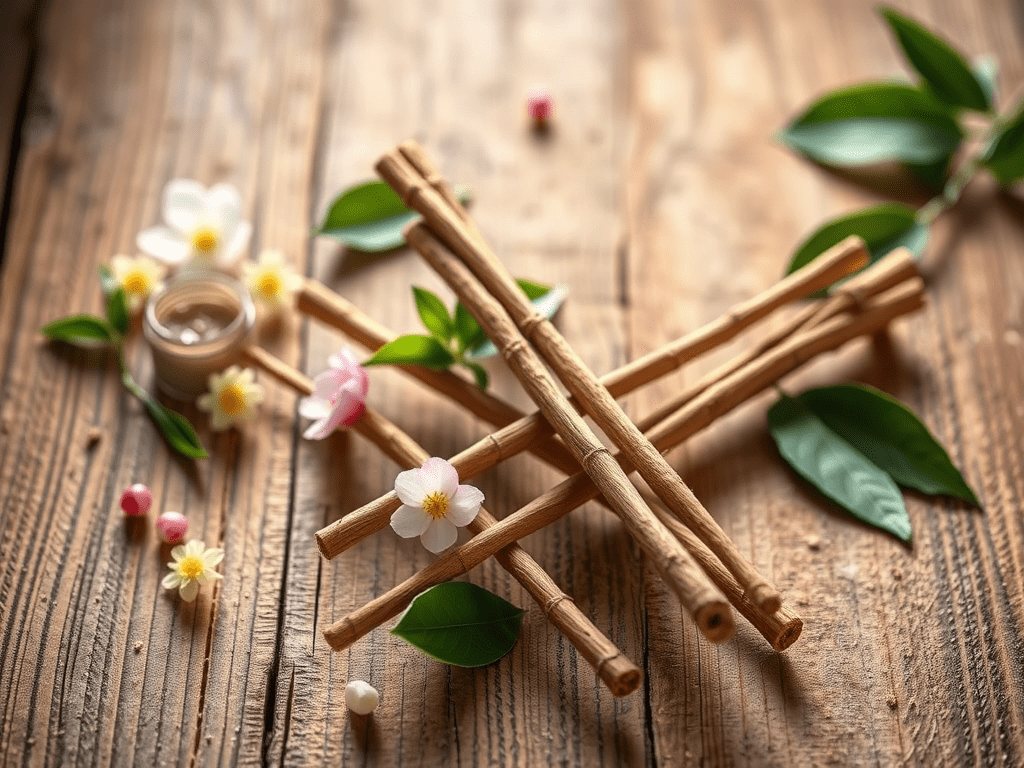
The Ayurvedic Secret to Oral Health: Benefits of Herbal Dental Sticks
The Ayurvedic practice of using dental sticks from medicinal trees like neem promotes oral hygiene, digestion, and mental clarity. These natural tools are eco-friendly and help balance doshas while enhancing taste perception. However, caution is advised for certain health conditions. Embracing this method supports both individual health and sustainability.
-
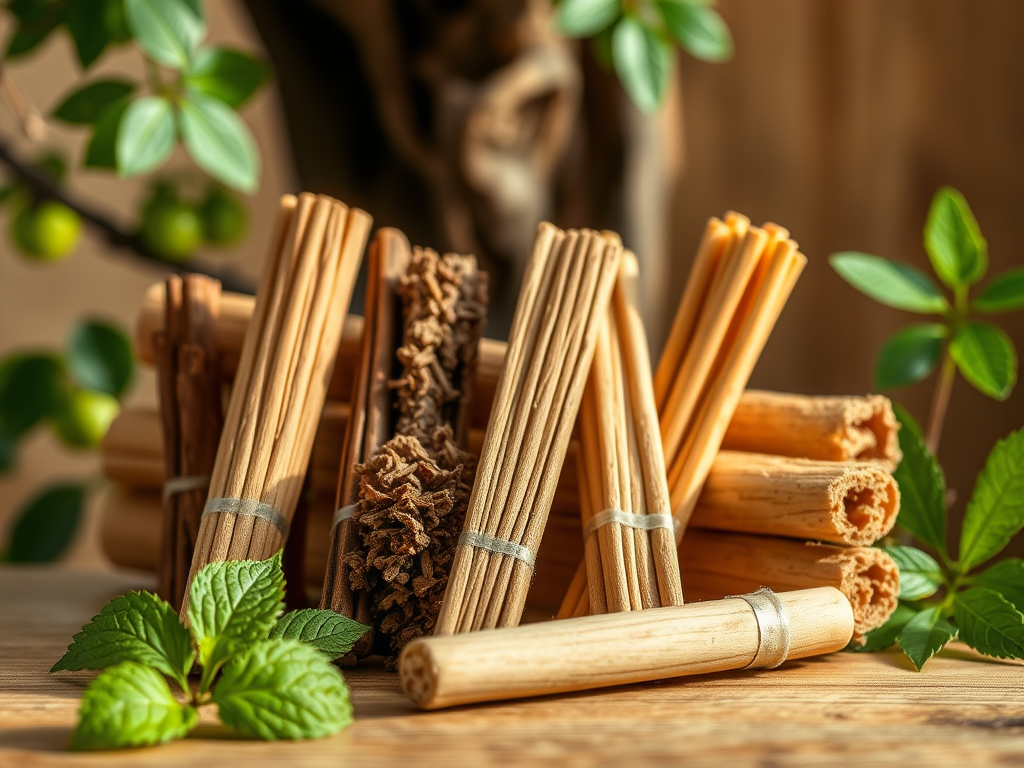
The Ayurvedic Guide to Choosing the Right Dental Stick
The Ayurvedic perspective on oral hygiene emphasizes the use of dental sticks (“datun”) over modern tools. Ideal sticks should be pungent, bitter, or astringent, avoiding sweet, sour, or salty varieties that disrupt dosha balance. Recommended options include neem and babool, which aid in maintaining oral health while promoting a natural approach to hygiene.
-
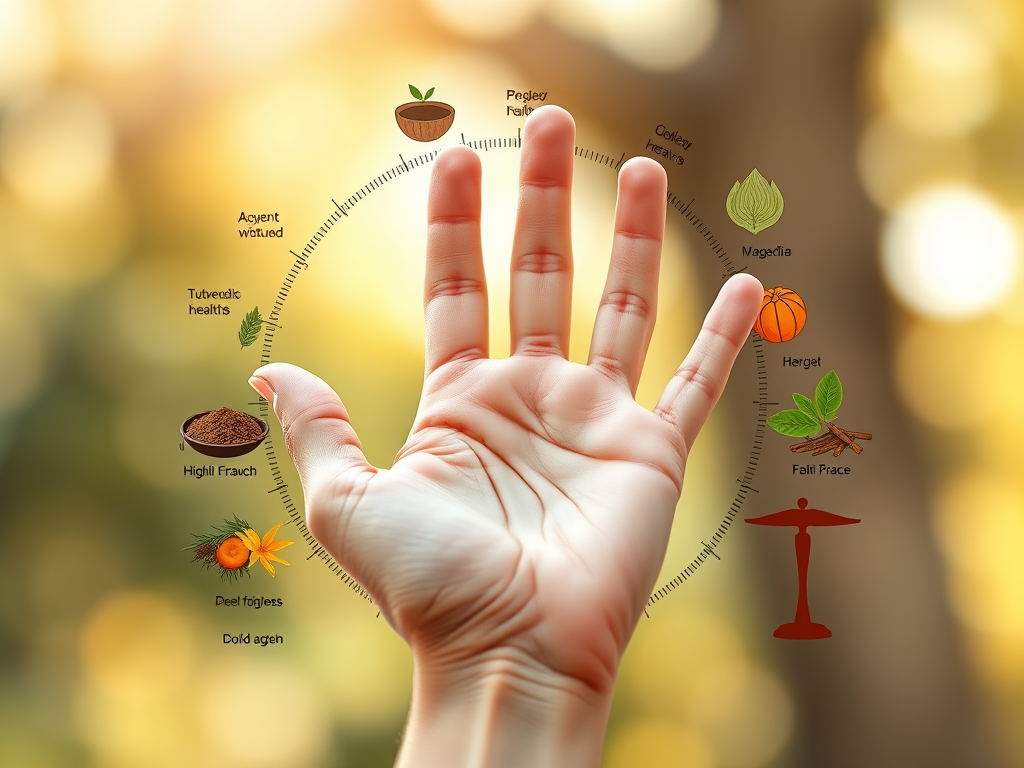
Understanding Anguli Praman: The Ancient Ayurvedic Measurement System
Anguli Praman is a personalized measurement system in Ayurveda, based on finger width, that tailors health recommendations, food intake, and medicine dosages to individual body types. It emphasizes customized wellness rather than standardized approaches, ensuring accurate assessments for Ayurvedic practices and promoting balanced nutrition, yoga alignment, and harmonious living spaces.
-
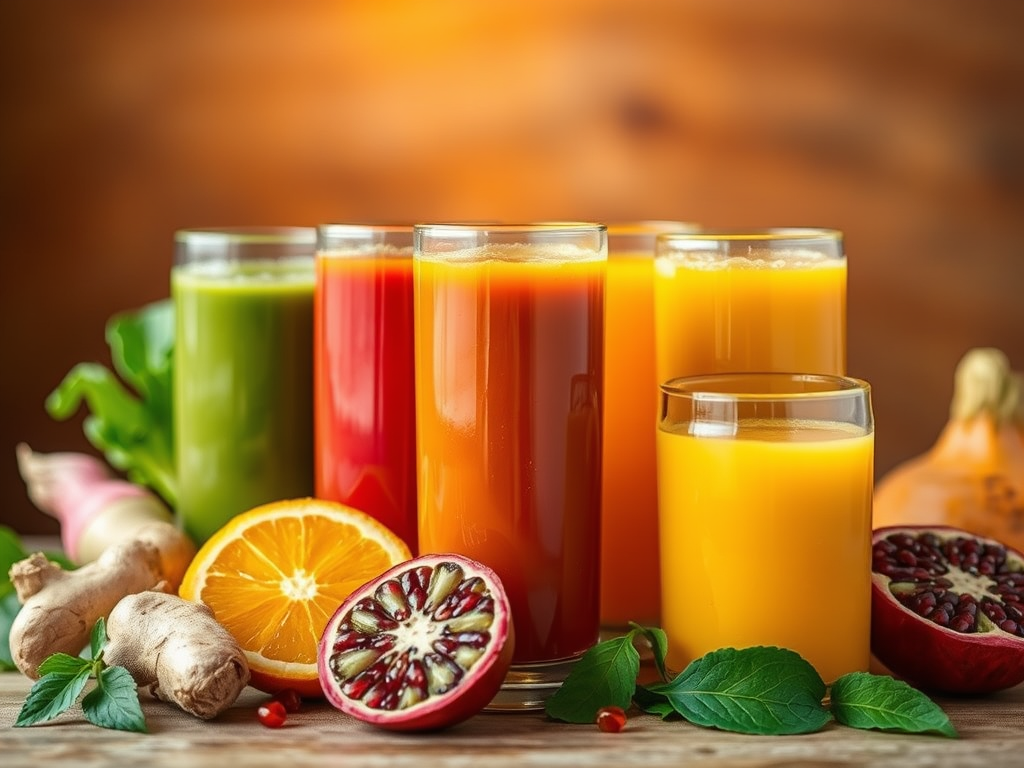
Ayurvedic Wisdom: The Best Juices for Balancing Kapha Dosha
Ayurveda emphasizes the importance of juicing for balancing Kapha dosha, which governs stability and lubrication. To reduce excessive Kapha, consume juices with pungent, bitter, and astringent tastes, such as ginger, neem, and pomegranate. Drinking these juices at room temperature in the morning can enhance digestion and boost energy levels effectively.
 Ritucharya