Tag: ayurvedic medicine
-

Exploring Dosha Prakriti: Understanding Your Ayurvedic Body Type
Ayurveda classifies individuals based on their **Prakriti**, or natural constitution, which is primarily influenced by the three doshas—**Vata, Pitta, and Kapha**. Understanding your **Dosha Prakriti** helps in making informed lifestyle and dietary choices to maintain balance and prevent health issues. This blog explores the **seven types of Dosha Prakriti**, their characteristics, common health concerns, and…
-

Understanding Ayurvedic Body Types: Vata, Pitta, and Kapha
Ayurveda categorizes human bodies into three doshas—**Vata, Pitta, and Kapha**—each with unique physical, metabolic, and mental traits. Understanding your dosha helps in maintaining balance, preventing diseases, and adopting a personalized lifestyle for optimal well-being. This guide explores the characteristics, common health issues, and dietary & lifestyle recommendations for each body type. Learn how to balance…
-

When to Avoid Applying Anjan: An Ayurvedic Perspective
Anjan, an Ayurvedic eye kohl, enhances vision but may cause discomfort under certain conditions. Ayurveda advises against its use when experiencing imbalances such as autoimmune disorders, poor digestion, fever, emotional distress, excessive exertion, or after alcohol consumption. Following Ayurvedic guidelines is crucial to prevent eye irritation and maintain health.
-

When Should You Avoid Applying Anjan? A Complete Ayurvedic Guide
Anjan, an Ayurvedic eye-care remedy, offers cooling benefits but can cause harm when misused. Avoid applying it after exercise, during severe bloating, after crying, or when feeling stressed. Conditions like fever, migraines, and exposure to pollutants also warrant caution. Prioritize balance and listen to your body to prevent discomfort.
-

The Art of Applying Anjan: Ayurvedic Wisdom for Healthy Eyes
The Ayurvedic practice of Anjan, or Collyrium, is essential for eye health, involving specific applicators like Chalaka made from various materials. Applying Anjan effectively enhances vision and balances eye heat, especially at night. Proper technique and timing are crucial for maximizing benefits and ensuring eye safety in this traditional routine.
-
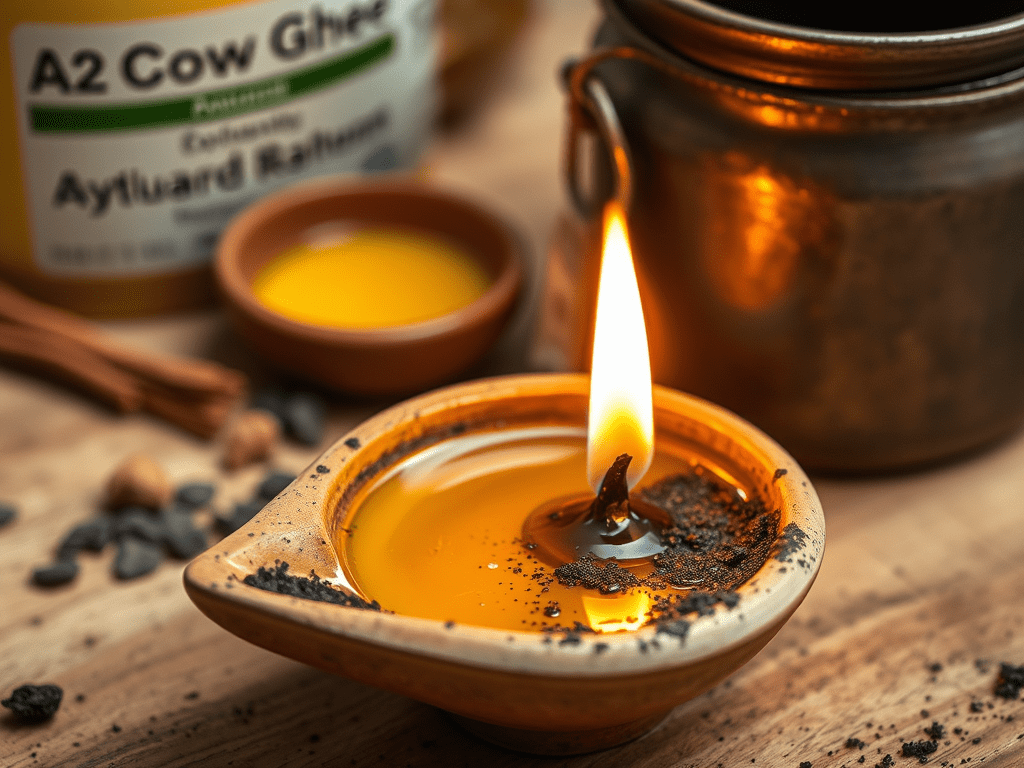
How to Make Ayurvedic Anjan at Home: A Simple Guide
This content explains how to prepare Ayurvedic Anjan (Kajal/Collyrium) at home using simple ingredients like mustard oil, cotton wicks, and ghee. The process involves collecting soot from a burning lamp and mixing it with ghee, along with tips for enhancing effectiveness and safely storing the product.
-
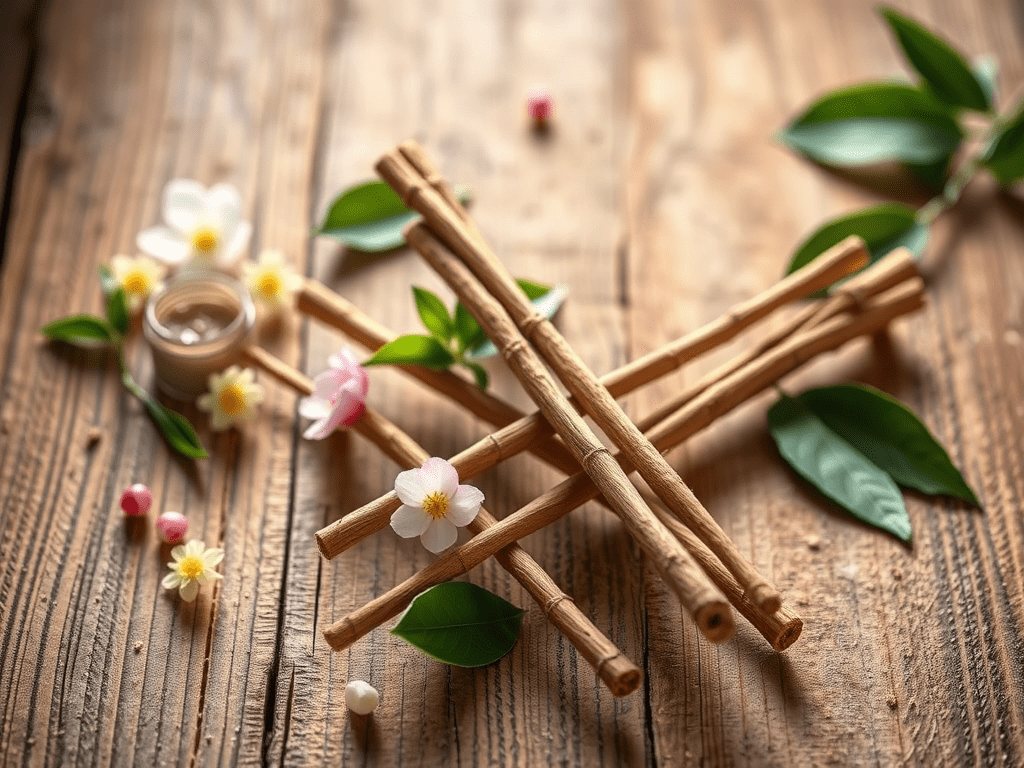
The Ayurvedic Secret to Oral Health: Benefits of Herbal Dental Sticks
The Ayurvedic practice of using dental sticks from medicinal trees like neem promotes oral hygiene, digestion, and mental clarity. These natural tools are eco-friendly and help balance doshas while enhancing taste perception. However, caution is advised for certain health conditions. Embracing this method supports both individual health and sustainability.
-
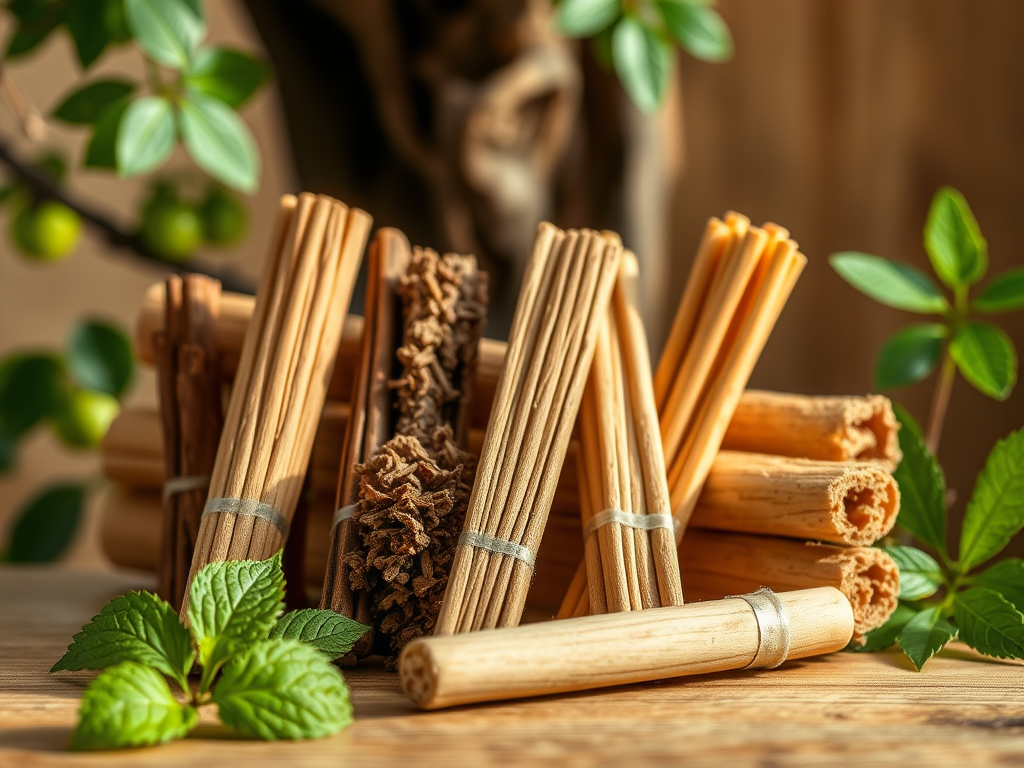
The Ayurvedic Guide to Choosing the Right Dental Stick
The Ayurvedic perspective on oral hygiene emphasizes the use of dental sticks (“datun”) over modern tools. Ideal sticks should be pungent, bitter, or astringent, avoiding sweet, sour, or salty varieties that disrupt dosha balance. Recommended options include neem and babool, which aid in maintaining oral health while promoting a natural approach to hygiene.
-
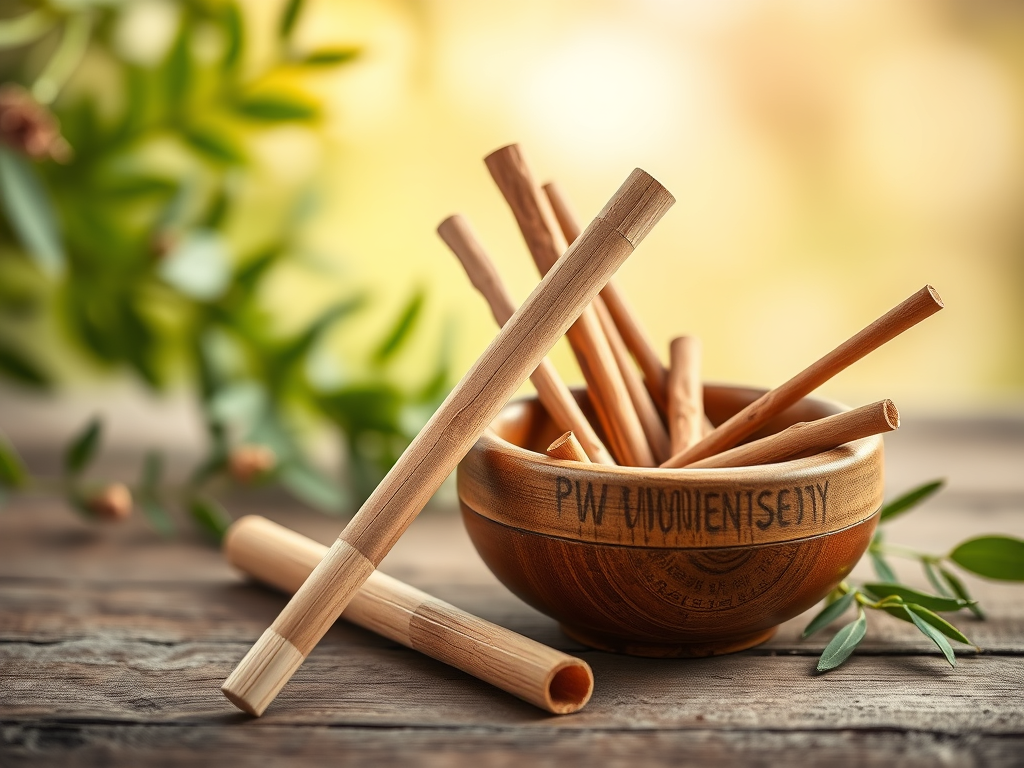
The Ayurvedic Secret to Natural Dental Care: The Magic of the Dental Stick
The Ayurvedic practice of using dental sticks, such as neem and miswak, provides a natural, eco-friendly alternative to modern toothbrushes. These sticks have antiseptic properties, strengthen gums, and effectively clean teeth without damaging enamel. Reviving this ancient tradition benefits personal health and the environment, promoting a holistic approach to oral hygiene.
-
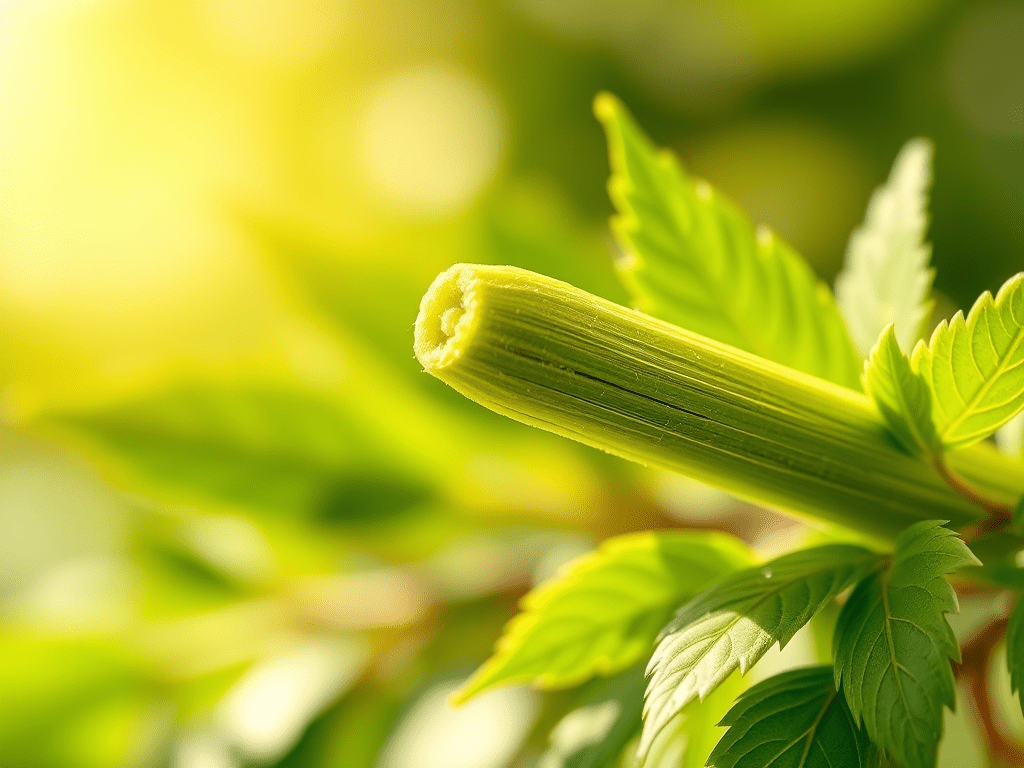
The Amazing Benefits of Using Ayurvedic Dental Sticks (Neem)
The Neem dental stick, a traditional Ayurvedic oral hygiene tool, offers numerous benefits including antibacterial properties, prevention of tooth decay, strengthening gums, and maintaining oral pH balance. This eco-friendly alternative to plastic toothbrushes promotes natural teeth whitening and healing for oral issues, making it a holistic choice for better dental health and sustainability.
 Ritucharya