Tag: body massage
-

The Ayurvedic Approach to Bathing After Massage and Exercise
Ayurveda emphasizes the timing and temperature of bathing post-massage and exercise to avoid health issues. Individuals should wait 15-30 minutes before bathing and adjust water temperature according to their Dosha. Vata and Kapha types need warm water, while Pitta types can benefit from cooler baths, especially in summer.
-

The Ayurvedic Art of Fermentation (Svedana): A Detoxifying Wellness Ritual
Svedana is an Ayurvedic detoxification technique that induces sweating to eliminate toxins and improve circulation. It is performed after an oil massage and benefits include detoxification, pain relief, balanced doshas, and healthier skin. Methods to practice Svedana at home include steam therapy, warm towel wraps, heating pads, and hot showers.
-
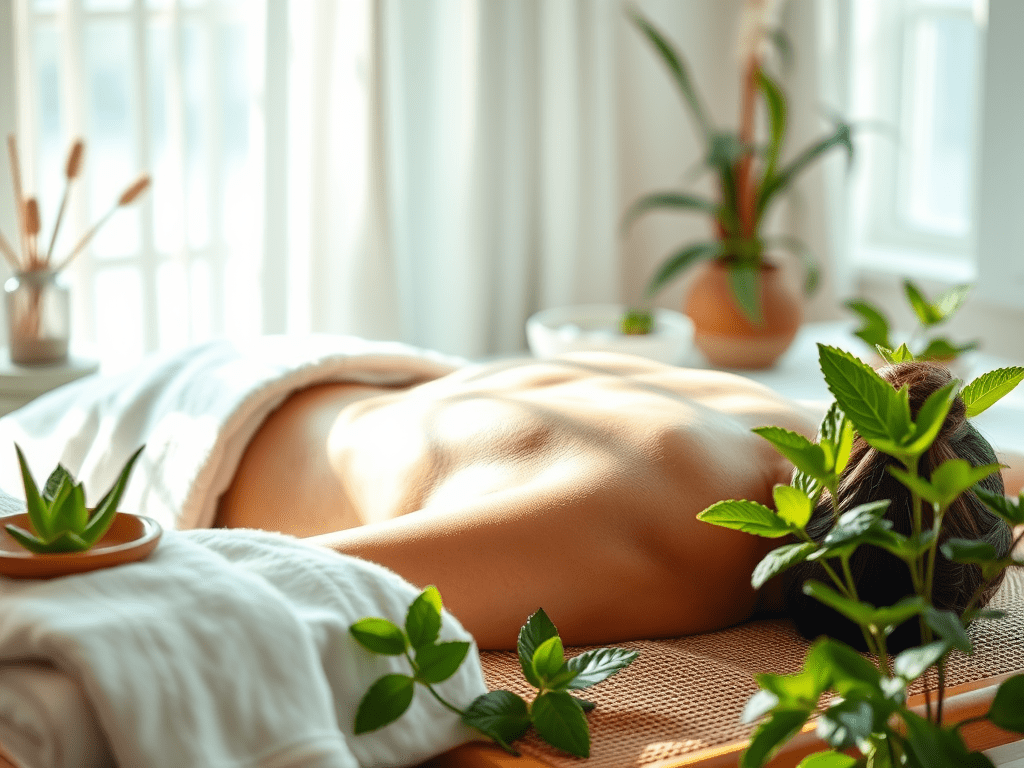
Ayurvedic Massage for Pitta Dosha: A Guide to Cooling and Balancing
The Ayurvedic Daily Routine focuses on balancing the Pitta dosha, which can lead to overheating and irritability. Recommended strategies include using cooling oils like coconut and sandalwood, practicing gentle massage techniques, and avoiding excessive heat. Additionally, a Pitta-friendly diet and relaxing activities are crucial for maintaining balance and overall well-being.
-
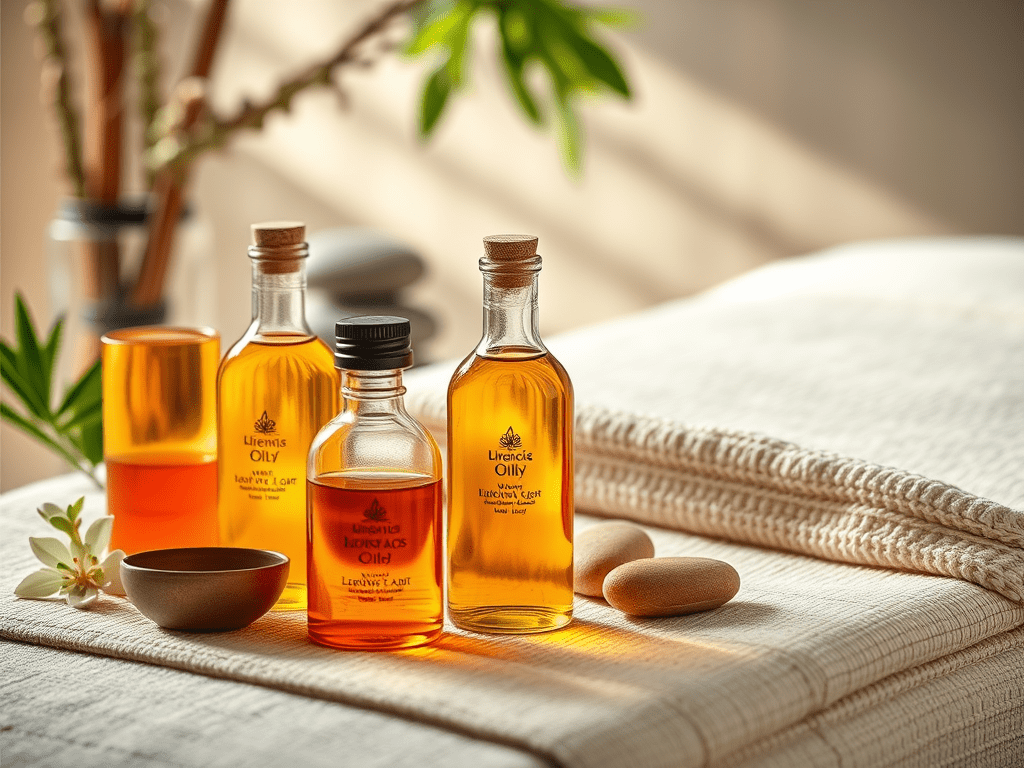
Ayurvedic Body Massage: Tailoring Abhyanga for Your Dosha
Ayurvedic body massage, or Abhyanga, tailors techniques to individual doshas—Vata, Pitta, and Kapha. Each dosha requires specific oils and strokes to maintain balance and well-being. This practice promotes circulation, detoxification, stress reduction, and improves skin health, highlighting the importance of personalizing massage methods based on body type.
-
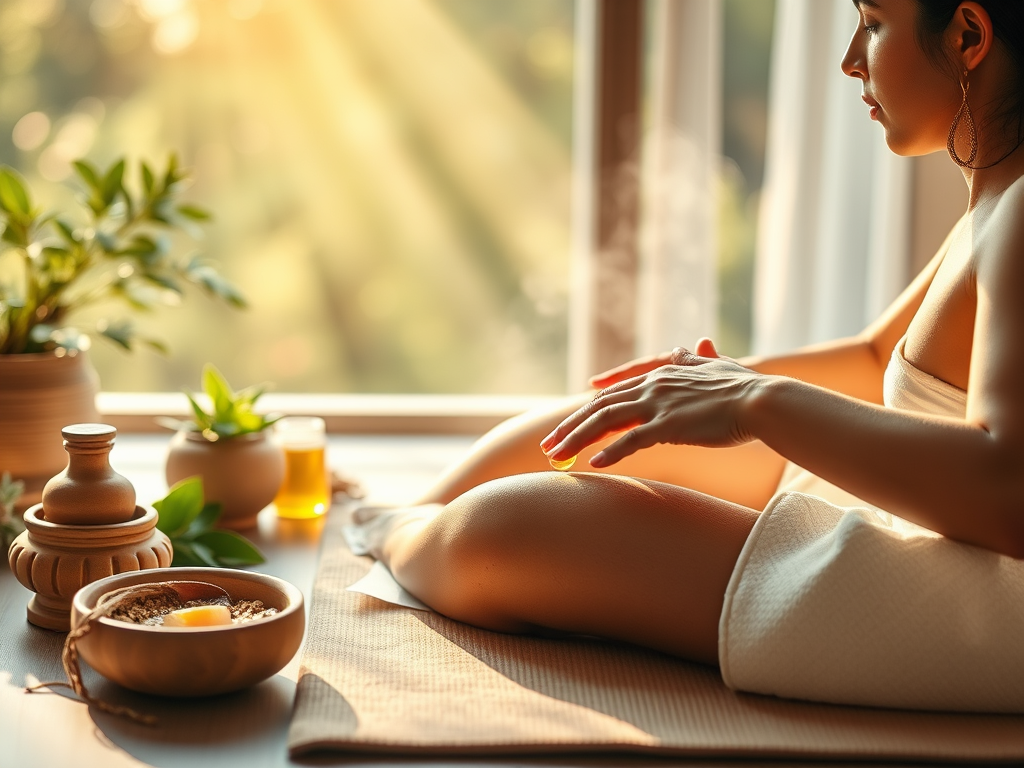
The Best Time for Abhyanga: Ayurvedic Self-Massage Guide
Abhyanga, an Ayurvedic self-massage, is best practiced in the morning before bathing, as it enhances circulation and detoxifies the body. Avoid massaging after meals to prevent digestive disruption. Evening sessions are also beneficial for relaxation and pain relief. Regular practice promotes overall well-being and balances doshas effectively.
-
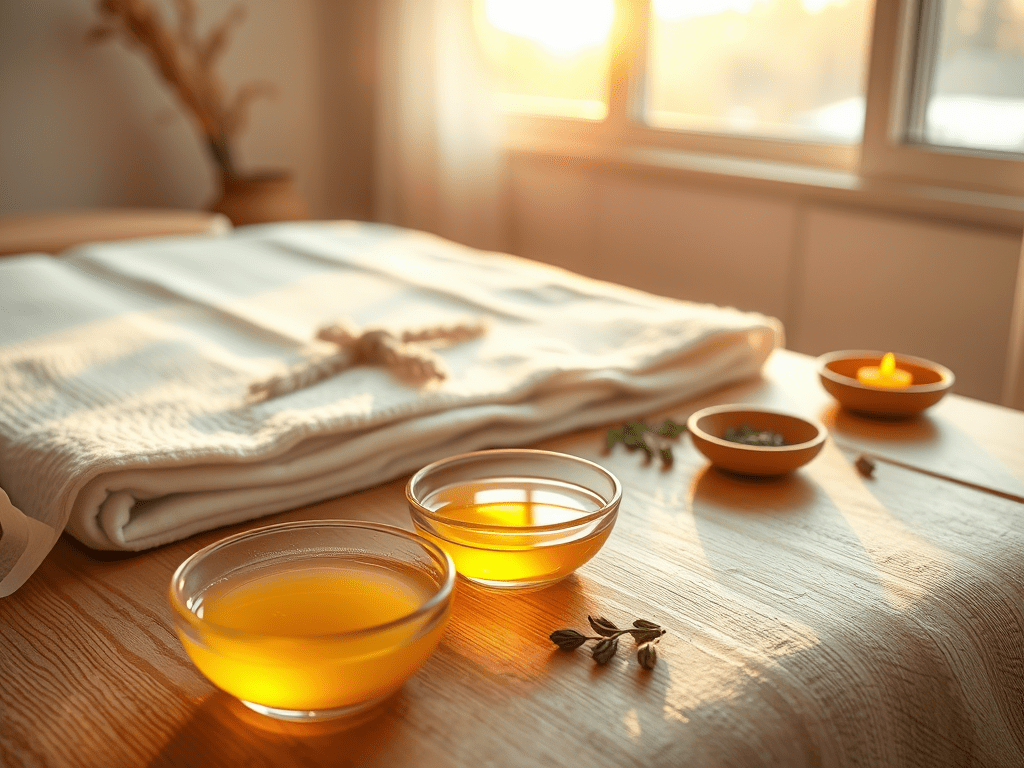
The Best Time for Abhyanga: Ayurvedic Body Massage
Abhyanga, an Ayurvedic self-care ritual involving body massage, is most beneficial when practiced in the morning during Kapha time. It enhances circulation, detoxifies the skin, and primes the body for the day. Proper technique involves elimination beforehand, using appropriate oils, and allowing oil absorption, followed by a warm bath for optimal benefits.
-

The Best Ayurvedic Oils for Your Body Massage
The Ayurvedic Daily Routine emphasizes self-care through massage, recommending specific oils for each body type or Dosha: Vata (Almond Oil), Pitta (Coconut Oil), and Kapha (Castor or Mustard Oil). Understanding your Dosha helps in selecting the right oil, promoting relaxation, detoxification, and nourishment tailored to individual needs.
-

How to Prepare for a Full-Body Massage: The Ayurvedic Way
The Ayurvedic Daily Routine emphasizes the benefits of self-massage (Abhyanga) for overall well-being. Key preparation steps include selecting a calm, comfortable space, using a natural mat, wearing loose clothing, and choosing appropriate oil based on body types. Consistency, technique, and relaxation afterward enhance the massage’s effectiveness for a rejuvenating experience.
 Ritucharya