Tag: Holistic Health
-

Exploring Dosha Prakriti: Understanding Your Ayurvedic Body Type
Ayurveda classifies individuals based on their **Prakriti**, or natural constitution, which is primarily influenced by the three doshas—**Vata, Pitta, and Kapha**. Understanding your **Dosha Prakriti** helps in making informed lifestyle and dietary choices to maintain balance and prevent health issues. This blog explores the **seven types of Dosha Prakriti**, their characteristics, common health concerns, and…
-

Understanding Ayurvedic Body Types: Vata, Pitta, and Kapha
Ayurveda categorizes human bodies into three doshas—**Vata, Pitta, and Kapha**—each with unique physical, metabolic, and mental traits. Understanding your dosha helps in maintaining balance, preventing diseases, and adopting a personalized lifestyle for optimal well-being. This guide explores the characteristics, common health issues, and dietary & lifestyle recommendations for each body type. Learn how to balance…
-

Understanding Upyokta: The Consumer in Ayurveda
Ayurveda emphasizes the importance of individual body types, or doshas, in shaping dietary choices. Understanding one’s dosha influences digestion, metabolism, and food effects. Each person should tailor their diet according to current health conditions, age, and lifestyle. Listening to the body’s needs ensures effective nutrition and overall well-being.
-

The Art of Eating Right: Ayurveda’s Upyog Sanstha (Food Consumption Rules)
The Ayurvedic Daily Routine emphasizes mindful eating habits to enhance digestion and overall health. Key principles include consuming warm food, including healthy fats, maintaining a balanced pace, minimizing distractions, expressing gratitude, eating only when hungry, sitting properly, avoiding screens, fostering positive thoughts about food, and practicing mindfulness during meals.
-

The Importance of Kaal (Time) in Ayurveda: When to Eat for Optimal Health
The Ayurvedic concept of Kaal emphasizes the importance of timing in food consumption for optimal digestion and health. Key guidelines include having the largest meal at noon when digestive fire is strongest, consuming lighter meals in the morning and evening, and adjusting food intake based on seasonal changes to maintain balance.
-

The Importance of Food Quantity in Ayurveda: Finding the Right Balance
Ayurveda emphasizes the importance of food quantity, focusing on two aspects: Samagra Rashi (total meal quantity) and Parigraha Rashi (individual food portions). Proper balance enhances digestion and overall health. Overeating or undereating can lead to imbalances. Individuals should adjust portions based on body type, age, and lifestyle for optimal nourishment.
-
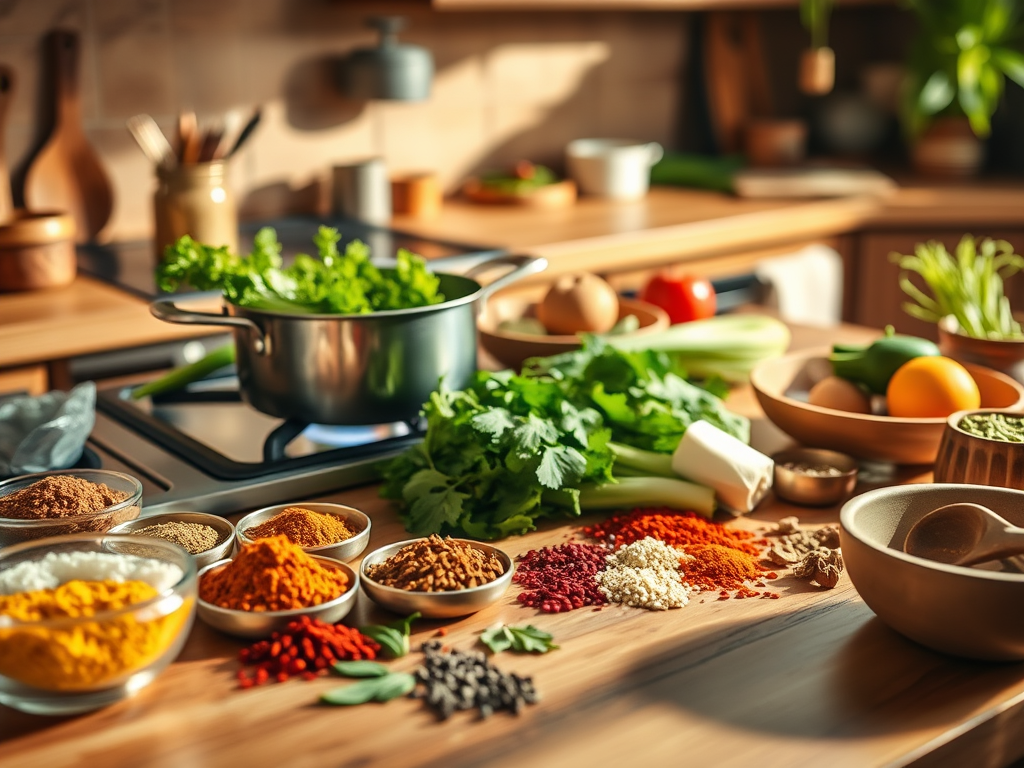
The Importance of Food Preparation in Ayurveda
The Ayurvedic concept of Karan emphasizes the importance of food preparation for optimal digestion and nutrient absorption. Properly cooked food enhances health, while improper methods can create toxins. Different cooking techniques cater to individual body types, promoting overall well-being. Mindful cooking practices are advocated for better nutrition and energy.
-

The Ayurvedic Art of Bathing: A Soap-Free Cleansing Ritual
Ayurveda recommends avoiding commercial soaps for daily cleansing as they strip natural oils, disrupt pH balance, and increase skin sensitivity. Instead, techniques like Ubtan and pumice stones offer natural alternatives that cleanse, nourish, and rejuvenate the skin. These methods also benefit the environment by reducing pollution and waste. Embrace Ayurvedic practices for healthier skin and…
-

The Ayurvedic Approach to Bathing After Massage and Exercise
Ayurveda emphasizes the timing and temperature of bathing post-massage and exercise to avoid health issues. Individuals should wait 15-30 minutes before bathing and adjust water temperature according to their Dosha. Vata and Kapha types need warm water, while Pitta types can benefit from cooler baths, especially in summer.
-

The Ayurvedic Guide to Bathing and Self-Massage
Bathing is crucial in Ayurveda for daily self-care, especially after an oil massage to avoid skin issues. Oils nourish different body types but should not remain on the skin for long durations. The article highlights proper bathing techniques post-massage and the benefits of regular Abhyanga, promoting wellness and rejuvenation.
 Ritucharya