Tag: Kapha Dosha
-

The Ayurvedic Guide to Exercise: How, When, and How Much?
Ayurvedic Daily Routine: Dinacharya Certification Course, Section 9, Lecture 74 Introduction Exercise is an essential part of a healthy lifestyle. But have you ever wondered if there’s a right way, a right time, or even a right season to work out? According to Ayurveda, the ancient Indian system of medicine, exercise isn’t just about moving…
-

When Should You Avoid Ayurvedic Body Massage?
The blog post discusses Ayurvedic massage’s benefits and recommends avoiding it under specific conditions: Kapha-related disorders, post-Panchakarma recovery, after physical exhaustion, during severe indigestion, and when ill with fever. It emphasizes listening to one’s body and consulting an Ayurvedic practitioner for personalized guidance regarding massages.
-

Ayurvedic Massage for Kapha Dosha: Energize and Balance Your Body
The content discusses the Ayurvedic approach to balancing Kapha Dosha through massage techniques. Individuals with a dominant Kapha constitution are characterized by sluggishness and slow metabolism. Strong, invigorating massages, especially around the abdomen and lower body, along with stimulating oils and steam therapy, are recommended to enhance circulation, digestion, and energy.
-

Ayurvedic Body Massage: Tailoring Abhyanga for Your Dosha
Ayurvedic body massage, or Abhyanga, tailors techniques to individual doshas—Vata, Pitta, and Kapha. Each dosha requires specific oils and strokes to maintain balance and well-being. This practice promotes circulation, detoxification, stress reduction, and improves skin health, highlighting the importance of personalizing massage methods based on body type.
-

The Best Time for Abhyanga: Ayurvedic Self-Massage Guide
Abhyanga, an Ayurvedic self-massage, is best practiced in the morning before bathing, as it enhances circulation and detoxifies the body. Avoid massaging after meals to prevent digestive disruption. Evening sessions are also beneficial for relaxation and pain relief. Regular practice promotes overall well-being and balances doshas effectively.
-
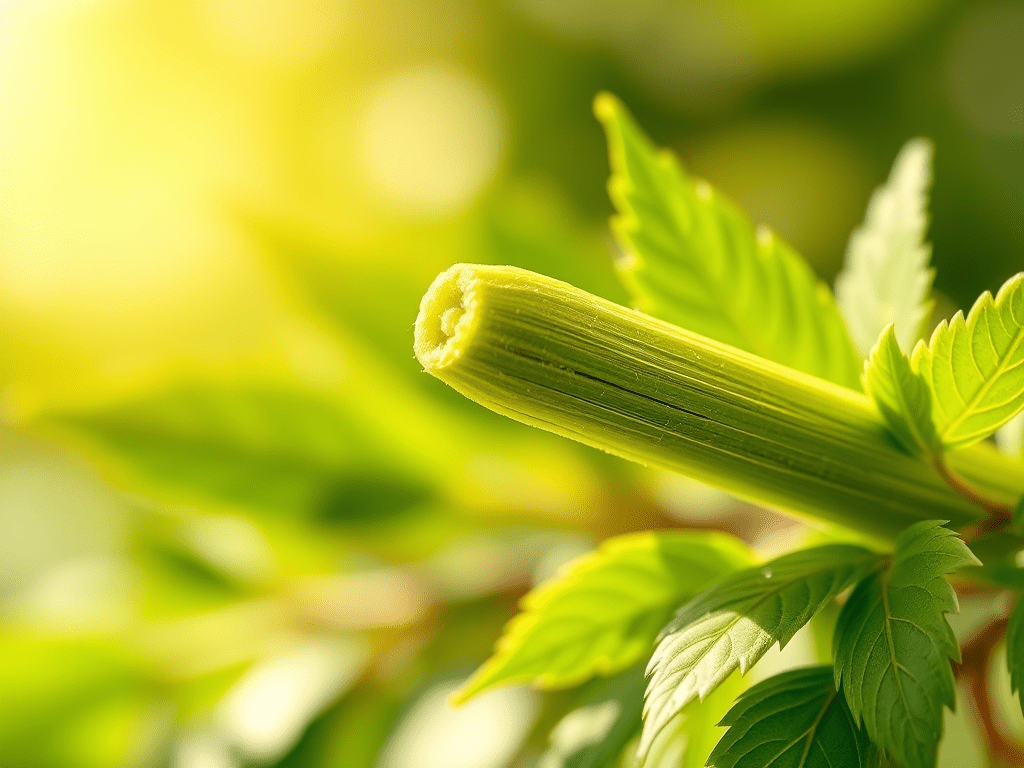
The Amazing Benefits of Using Ayurvedic Dental Sticks (Neem)
The Neem dental stick, a traditional Ayurvedic oral hygiene tool, offers numerous benefits including antibacterial properties, prevention of tooth decay, strengthening gums, and maintaining oral pH balance. This eco-friendly alternative to plastic toothbrushes promotes natural teeth whitening and healing for oral issues, making it a holistic choice for better dental health and sustainability.
-
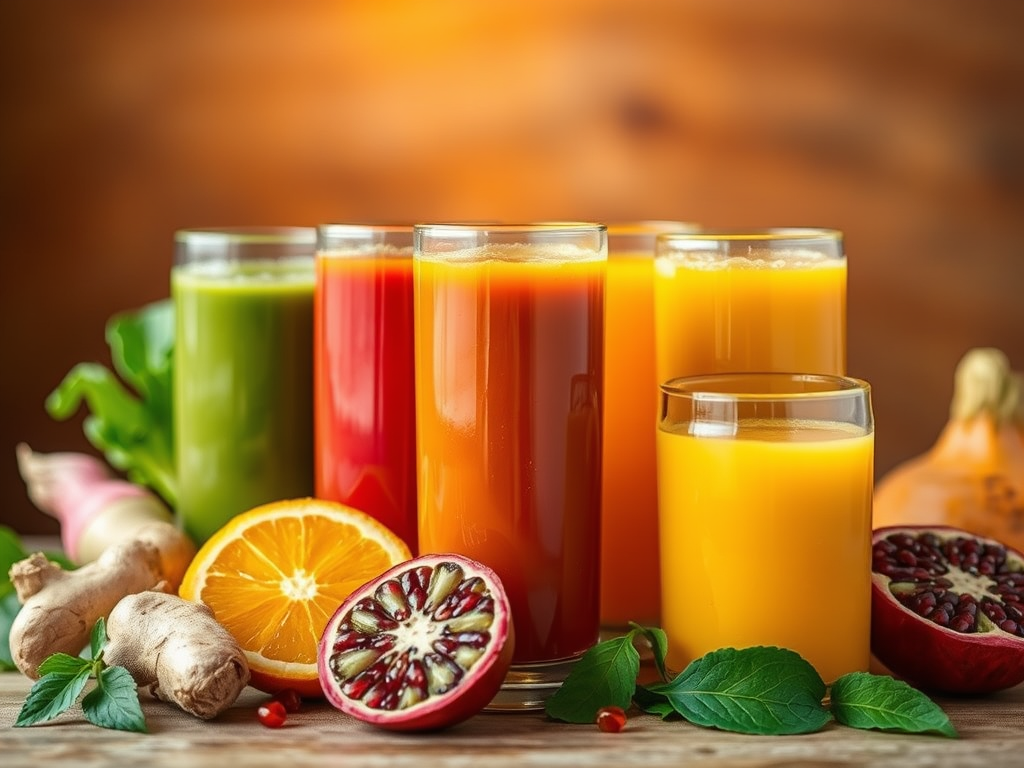
Ayurvedic Wisdom: The Best Juices for Balancing Kapha Dosha
Ayurveda emphasizes the importance of juicing for balancing Kapha dosha, which governs stability and lubrication. To reduce excessive Kapha, consume juices with pungent, bitter, and astringent tastes, such as ginger, neem, and pomegranate. Drinking these juices at room temperature in the morning can enhance digestion and boost energy levels effectively.
-

The Influence of the Moon on the Human Body in Ayurveda
The Moon has a profound influence on our bodies and minds, according to Ayurveda and Vedic mythology. It is believed to nourish all living beings by infusing rasa, or the essence of life. Unlike the Sun, which evaporates moisture, the Moon replenishes and revitalizes. Scientific studies support this by showing how the Moon affects water…
 Ritucharya