Tag: Vata Pitta Kapha
-

Exploring Dosha Prakriti: Understanding Your Ayurvedic Body Type
Ayurveda classifies individuals based on their **Prakriti**, or natural constitution, which is primarily influenced by the three doshas—**Vata, Pitta, and Kapha**. Understanding your **Dosha Prakriti** helps in making informed lifestyle and dietary choices to maintain balance and prevent health issues. This blog explores the **seven types of Dosha Prakriti**, their characteristics, common health concerns, and…
-

Understanding Ayurvedic Body Types: Vata, Pitta, and Kapha
Ayurveda categorizes human bodies into three doshas—**Vata, Pitta, and Kapha**—each with unique physical, metabolic, and mental traits. Understanding your dosha helps in maintaining balance, preventing diseases, and adopting a personalized lifestyle for optimal well-being. This guide explores the characteristics, common health issues, and dietary & lifestyle recommendations for each body type. Learn how to balance…
-

The Ayurvedic Guide to the Best Times to Eat for Optimal Health
Ayurveda emphasizes the importance of meal timing alongside food choices for optimal health. The body’s digestive fire, or Agni, is strongest at noon, making lunch the most significant meal. Morning should consist of lighter foods, while heavy meals are discouraged before sunrise and after sunset to prevent toxin buildup. Aligning eating habits with natural rhythms…
-
The Ayurvedic Wisdom of Bathing: When Should You Skip a Bath?
The Ayurveda-based guidelines emphasize the importance of timing in bathing, detailing when it may be detrimental to health. Conditions like nervous disorders, infections, digestive issues, and temperature sensitivity warrant caution. Ayurvedic practices recommend using warm water, oil massaging, and bathing in the morning to enhance well-being while respecting individual health needs.
-
The Ayurvedic Way: Using Pumice Stone for Healthy Skin
The Ayurvedic approach to skincare emphasizes harmony between body and mind, advocating the use of pumice stones instead of commercial soaps. Pumice naturally exfoliates and detoxifies skin, adjustable by body type. It’s eco-friendly, reduces chemical use, and effectively rejuvenates skin. Incorporating this practice leads to healthier skin without disrupting its balance.
-
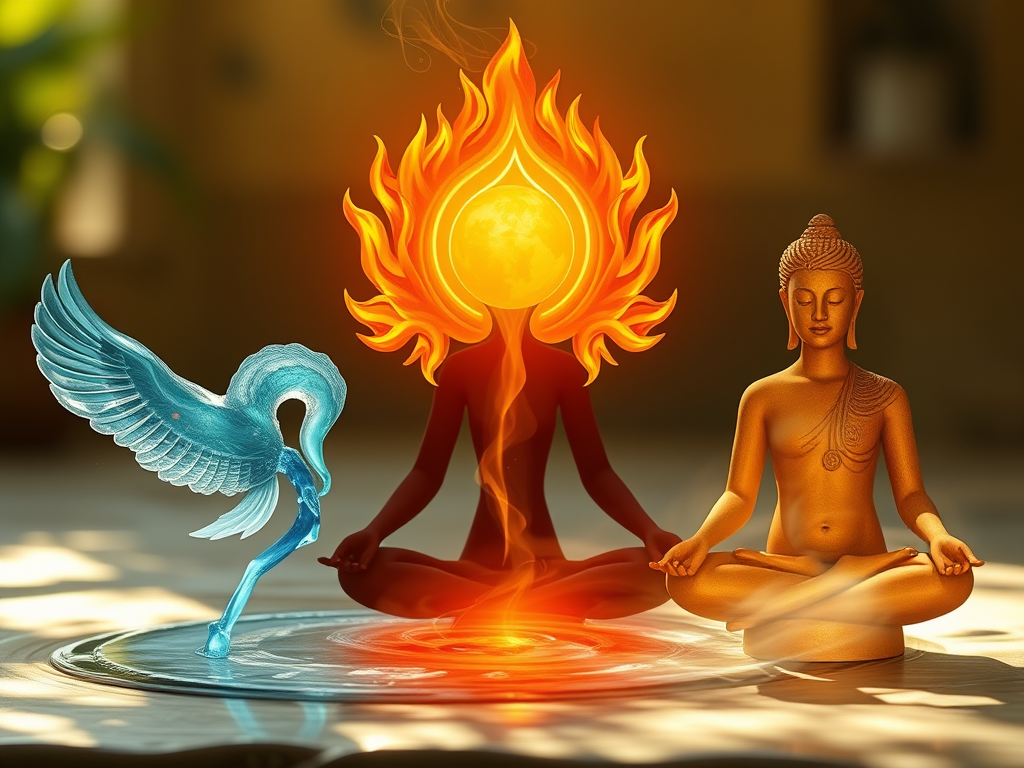
Understanding Ayurvedic Prakriti: Your Body Type Explained
Understanding Ayurvedic Prakriti: Your Body Type Explained Ayurveda, the ancient Indian system of medicine, classifies individuals based on their unique body constitution or *Prakriti*. This inherent nature is determined by the balance of the three doshas—Vata, Pitta, and Kapha—which influence physical traits, mental tendencies, and overall health. Understanding your *Prakriti* can help you make informed…
-

The Ayurvedic Art of Fermentation (Svedana): A Detoxifying Wellness Ritual
Svedana is an Ayurvedic detoxification technique that induces sweating to eliminate toxins and improve circulation. It is performed after an oil massage and benefits include detoxification, pain relief, balanced doshas, and healthier skin. Methods to practice Svedana at home include steam therapy, warm towel wraps, heating pads, and hot showers.
-
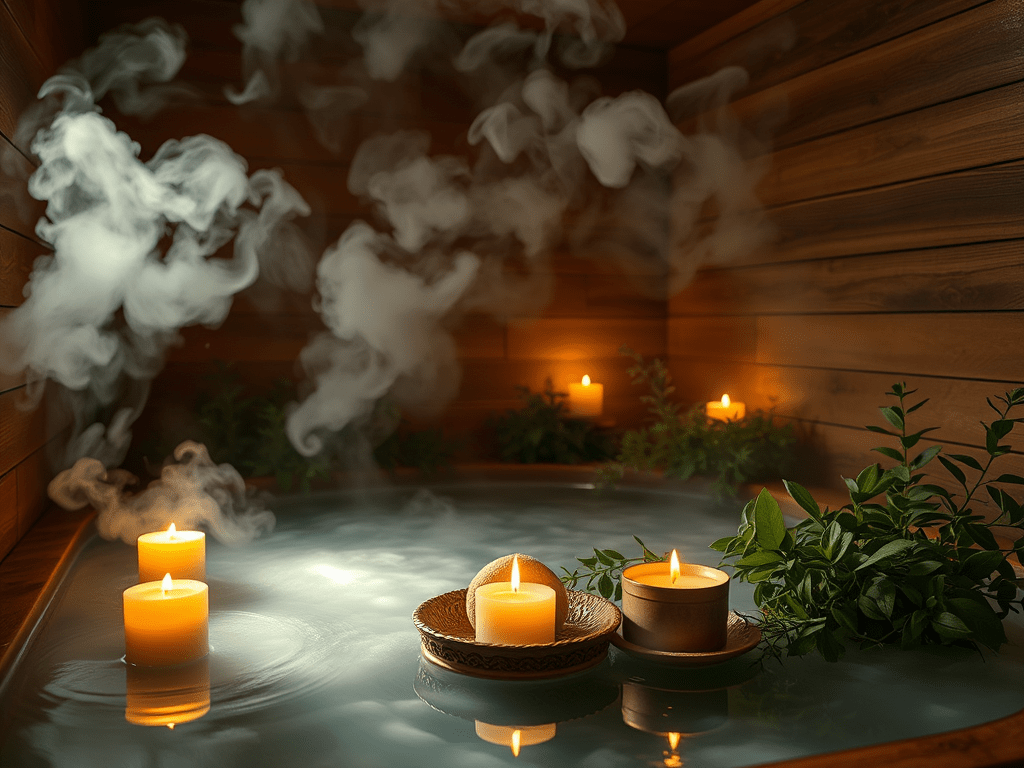
The Ancient Art of Svedana: Sweating for Health and Detoxification
Svedana, an Ayurvedic therapy, utilizes heat to induce sweating, promoting detoxification and overall well-being. Methods include exercise, steam therapy, hot compresses, and hot baths. While beneficial for some doshas, certain individuals, like those with Pitta dominance or heart conditions, should avoid it. Tailoring practices to individual health needs is essential.
-
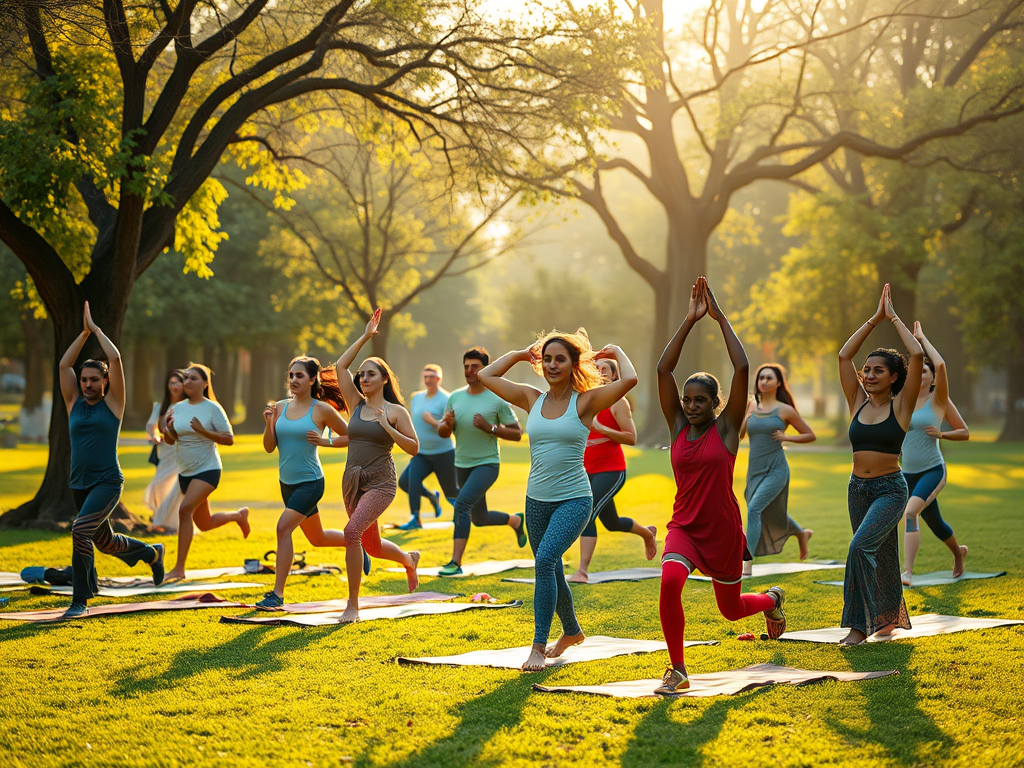
The Ayurvedic Guide to Exercise: How, When, and How Much?
Ayurvedic Daily Routine: Dinacharya Certification Course, Section 9, Lecture 74 Introduction Exercise is an essential part of a healthy lifestyle. But have you ever wondered if there’s a right way, a right time, or even a right season to work out? According to Ayurveda, the ancient Indian system of medicine, exercise isn’t just about moving…
-

The Ultimate Guide to Ayurvedic Self-Massage (Abhyanga)
Ayurvedic self-massage, or Abhyanga, is a vital self-care practice promoting overall well-being through relaxation, enhanced circulation, and balanced energy. Recommended for mornings, it focuses on key areas: head, ears, and feet. Daily practice using suitable oils can transform health and rejuvenate body and mind in just 5-10 minutes.
 Ritucharya