Ayurvedic Daily Routine: Dinacharya Certification Course, Section 6, Lecture 41
Introduction
Have you ever wondered how people maintained oral hygiene before the invention of modern toothbrushes and toothpaste? The answer lies in Ayurveda, the ancient Indian system of medicine, which prescribes the use of natural dental sticks for oral health. These sticks, often derived from neem, miswak, or babool trees, offer a holistic way to clean your teeth while maintaining overall oral health. Let’s dive into the magic of dental sticks and learn how they can transform your daily oral care routine!
What is a Dental Stick?
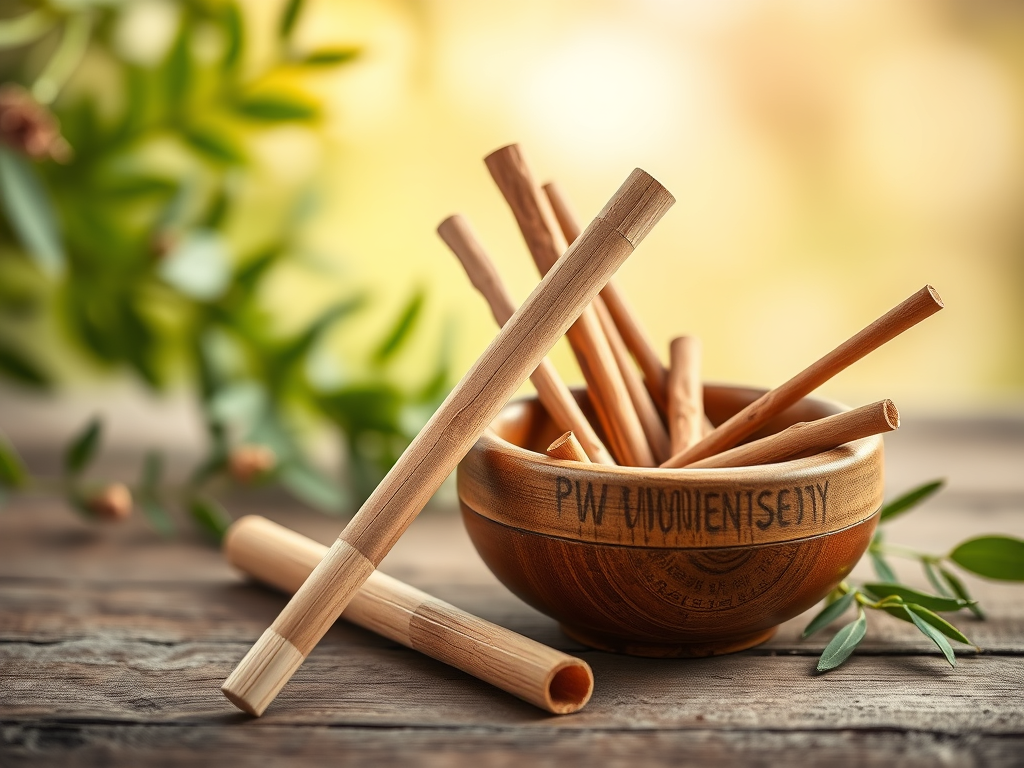
A dental stick, also known as a “Dantun” in many parts of India, is a natural twig used for brushing teeth. Unlike modern toothbrushes, these sticks contain natural antiseptic and antibiotic properties, ensuring a thorough and healthy cleaning process.
Why Choose a Dental Stick Over a Toothbrush?
Unlike plastic toothbrushes, dental sticks offer multiple benefits:
- Completely Natural: No synthetic bristles or plastic handles.
- Infused with Herbal Goodness: Sticks from neem, miswak, or babool trees contain antibacterial properties.
- Biodegradable & Eco-friendly: No plastic waste!
- Dual Purpose: Functions as both a toothpick and a toothbrush.
- Strengthens Gums: The chewing action massages gums, improving circulation.
How to Use a Dental Stick?
Using a dental stick is easy and fun! Follow these steps for the best experience:
Step 1: Choose the Right Dental Stick
The ideal dental stick should be:
- Soft and slightly flexible
- Greenish in color (indicating freshness)
- From an herbal tree like neem, miswak, or babool
Step 2: Prepare the Stick
- Take a fresh dental stick and ensure it’s not too hard.
- The front part is usually clipped or sharpened for easy chewing.
- Bite the tip gently until it forms bristles.
Step 3: Use it as a Toothpick
Before you start brushing, use the pointed end to remove any food particles stuck between your teeth.
Step 4: Chew the Stick
- Start chewing the end of the stick gently.
- As you chew, the fibers will spread out, creating natural bristles.
- The juice from the stick will spread in your mouth, offering an antiseptic and antibacterial effect.
Step 5: Brush Your Teeth
- Use the fibrous end like a toothbrush.
- Move it in circular motions, covering all areas of your mouth.
- The soft bristles clean teeth without damaging enamel.
Step 6: Rinse and Dispose
- Once done, spit out the juices along with any food particles.
- Rinse your mouth with water to remove any remaining debris.
- Dispose of the stick in a compost-friendly manner.
The Ayurvedic Benefits of Dental Sticks
Rich in Natural Antibiotics and Antiseptics
Neem and miswak sticks are loaded with antibacterial properties that fight germs and prevent cavities.
Balances Vata, Pitta, and Kapha
According to Ayurveda:
- Neem helps balance Pitta and Kapha, preventing gum inflammation.
- Miswak is known for its cooling effect, reducing excess Pitta.
- Babool is great for strengthening teeth and balancing Vata.
Promotes Gum Health
Chewing stimulates gum circulation and reduces the risk of gingivitis and gum disease.
Prevents Bad Breath
The natural juices act as mouth fresheners, killing bacteria that cause bad breath.
Doesn’t Strip Enamel
Unlike modern toothbrush bristles, dental stick fibers are gentle and do not erode the enamel.
Bringing Back an Ancient Tradition
Historically, dental sticks were a common sight in Indian villages. Early morning markets were filled with fresh neem sticks, offering a natural and effective alternative to modern toothpaste. However, with urbanization and changing lifestyles, this tradition has faded.
It’s time to bring back this eco-friendly and effective dental care practice!
Common Myths About Dental Sticks
Myth 1: They Are Not as Effective as Toothpaste
- Truth: Dental sticks contain natural antimicrobial properties that work just as well, if not better, than chemical-based toothpaste.
Myth 2: They Are Unhygienic
- Truth: Fresh sticks from neem, miswak, or babool trees are naturally antiseptic and kill bacteria.
Myth 3: They Are Hard to Use
- Truth: They are easy to use and require minimal effort once you get the hang of them.
Final Thoughts
Switching to dental sticks is not just a nod to tradition but a step toward a healthier, eco-friendly lifestyle. Whether you’re looking for a natural alternative to toothpaste or simply curious about Ayurvedic oral care, dental sticks offer a simple and effective solution.
So why not give it a try? Your teeth—and the environment—will thank you!
Do you use dental sticks? Share your experience in the comments below!
 Ritucharya
Leave a comment