Ayurvedic Daily Routine: Dinacharya Certification Course, Section 8, Lecture 67
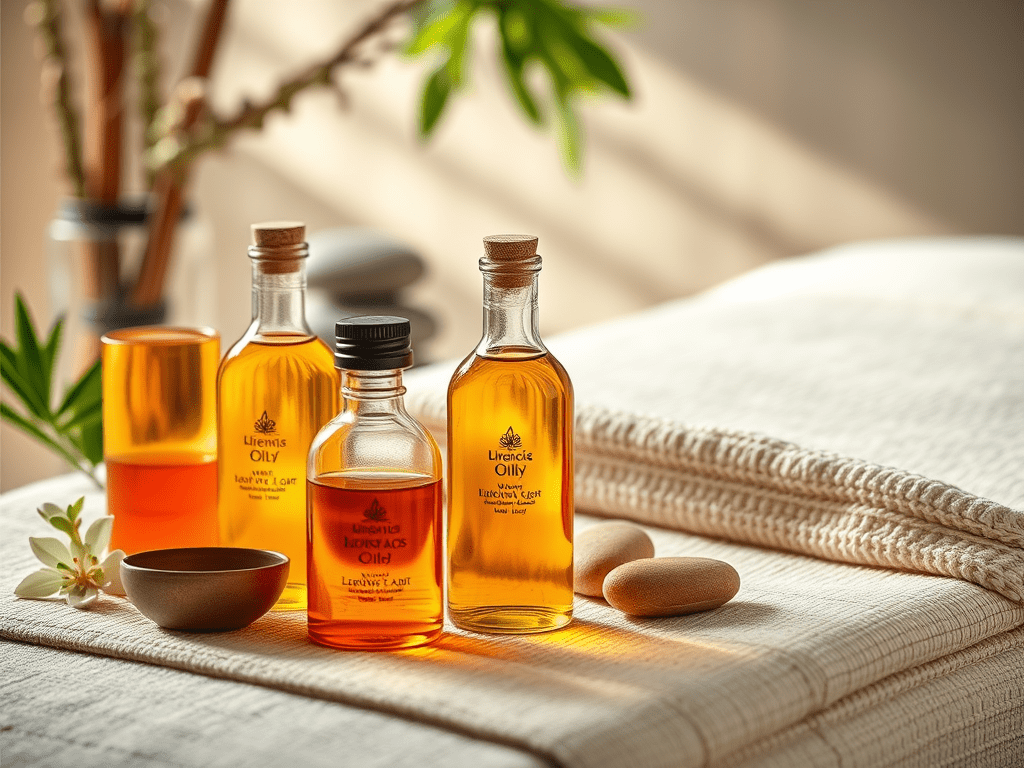
Ayurvedic body massage, or Abhyanga, is an ancient practice that nurtures both the body and mind. However, Ayurveda recognizes that not all bodies are the same. The type of massage and oil you use should align with your dosha—Vata, Pitta, or Kapha. Each dosha has unique characteristics and requires a different approach to balance and maintain overall well-being. Let’s explore how Ayurvedic massage can be customized for different body types.
Understanding the Three Doshas
According to Ayurveda, the three primary doshas—Vata, Pitta, and Kapha—govern our physical and mental traits. These doshas are derived from the five elements: air, space, fire, water, and earth. Maintaining a balance among them is essential for optimal health.
1. Vata Dosha: The Airy & Dry Constitution
Vata is light, dry, and mobile in nature. It governs movement, including circulation, respiration, and digestion. People with dominant Vata tend to be lean, energetic, and prone to dry skin and anxiety.
Best Massage Practices for Vata Dosha
- Oil Type: Warm, heavy oils such as sesame, almond, or castor oil.
- Massage Technique: Gentle, slow, and rhythmic strokes.
- Focus Areas: Limbs, abdomen, head, ears, and feet.
- Temperature: Always use warm oil for better absorption and circulation.
- Additional Therapy: Steam treatment helps in keeping the body warm and hydrated.
Vata individuals often experience dryness and coldness in their bodies. A warm oil massage helps to combat this dryness, promote circulation, and provide a grounding effect. Special attention should be given to massaging the extremities, as they are the main seat of Vata dosha.
2. Pitta Dosha: The Fiery & Intense Type
Pitta is hot, sharp, and intense. It controls metabolism, digestion, and body temperature. People with Pitta dominance are often medium-built, ambitious, and prone to inflammation and overheating.
Best Massage Practices for Pitta Dosha
- Oil Type: Cooling oils such as coconut, sunflower, or ghee.
- Massage Technique: Gentle but firm strokes, avoiding excessive heat.
- Focus Areas: Scalp, chest, and abdominal region.
- Temperature: Use room temperature or slightly cool oil.
- Additional Therapy: A cooling bath or application of sandalwood paste post-massage can be beneficial.
Pitta individuals need a massage that soothes their internal heat. Coconut oil, known for its cooling properties, is excellent for keeping the body and mind balanced. Massaging the head with cooling oils like Brahmi or sandalwood oil can reduce stress and anger.
3. Kapha Dosha: The Earthy & Stable Constitution
Kapha is heavy, oily, and slow in nature. It governs structure, lubrication, and stability. Kapha individuals tend to have strong builds, steady energy levels, and are prone to sluggishness and congestion.
Best Massage Practices for Kapha Dosha
- Oil Type: Light, stimulating oils such as mustard, sesame, or flaxseed oil.
- Massage Technique: Fast, vigorous, and stimulating strokes.
- Focus Areas: Upper body, chest, and lymphatic areas.
- Temperature: Use warm oil to stimulate circulation.
- Additional Therapy: Dry brushing (Garshana) before massage helps in detoxification.
Kapha individuals tend to accumulate excess mucus and retain water, leading to lethargy. A stimulating massage with brisk movements can help increase circulation and break down stagnation in the body.
Step-by-Step Guide to Ayurvedic Massage
Regardless of your dosha, here’s a step-by-step guide to performing self-massage:
1. Prepare Your Oil
- Choose the oil that best suits your dosha.
- Warm the oil slightly before application.
2. Start with the Extremities
- Begin with your feet, working your way up.
- Use long strokes on limbs and circular motions on joints.
3. Massage the Abdomen and Chest
- Use circular motions around the navel, following the direction of digestion.
- Gentle, upward strokes on the chest to encourage lymphatic drainage.
4. Head and Scalp Massage
- Apply oil to the scalp and use small circular motions.
- This enhances relaxation and strengthens hair roots.
5. Let the Oil Absorb
- Leave the oil on for 15-30 minutes to penetrate deep into the tissues.
- Avoid rushing to wash it off.
6. Take a Warm Bath
- Use a gentle herbal soap to remove excess oil.
- Avoid harsh shampoos immediately after a scalp massage.
The Benefits of Ayurvedic Massage
- Boosts Circulation: Improves blood and lymphatic flow.
- Reduces Stress: Promotes relaxation and calms the nervous system.
- Detoxifies the Body: Helps in the removal of toxins.
- Improves Digestion: Stimulates internal organs.
- Enhances Skin Health: Keeps the skin moisturized and youthful.
Conclusion
Ayurvedic massage is more than just a relaxing ritual; it is a powerful healing practice tailored to individual body types. Understanding your dosha and applying the right massage techniques can lead to a balanced, healthy, and energetic life. So, take time for yourself, warm up that oil, and indulge in the ancient wisdom of Abhyanga!
Are you ready to try Ayurvedic self-massage? Let us know how it works for you in the comments! 😊
 Ritucharya
Leave a comment