Ayurvedic Daily Routine: Dinacharya Certification Course, Section 10, Lecture 79
Introduction
Have you ever noticed how refreshing you feel after a good sweat? Whether it’s from a workout, a sauna, or a hot bath, sweating is an essential part of maintaining health. Ayurveda, the ancient Indian system of medicine, has long recognized the benefits of sweating and has a specialized therapy called Svedana—a technique that uses heat to help the body eliminate toxins and improve overall well-being.
In this blog, we will explore what Svedana is, its benefits, how it fits into the Ayurvedic system of healing, and how you can incorporate it into your daily life.
What is Svedana?
Svedana is a Sanskrit word that translates to “sweating.” It is a therapeutic process that induces perspiration using external heat sources. The heat can be applied in various ways, such as steam, hot compresses, or warm baths.
Ayurveda classifies Svedana as an essential step in Panchakarma, the five purification therapies aimed at detoxifying the body. It is used to open up the body’s channels, improve circulation, and promote the removal of toxins through sweat.
How Does Svedana Work?
The process of sweating helps the body in multiple ways:
- Opens up skin pores for better toxin elimination.
- Increases blood circulation, delivering more oxygen to tissues.
- Loosens deep-seated toxins, making them easier to remove.
- Enhances oil absorption, improving skin texture and health.
- Reduces stiffness and joint pain, making it beneficial for people with arthritis.
Types of Svedana Therapy
There are different ways to induce sweating in Ayurveda, depending on individual body types (doshas) and specific health conditions. Here are some common methods:
1. Exercise-Induced Sweating
One of the most natural ways to induce sweating is through physical activity. When you exercise, your body temperature rises, leading to sweat production. This method is beneficial for individuals with Kapha dosha, as they tend to have a sluggish metabolism and need movement to stimulate detoxification.
2. Steam Therapy (Bashpa Svedana)
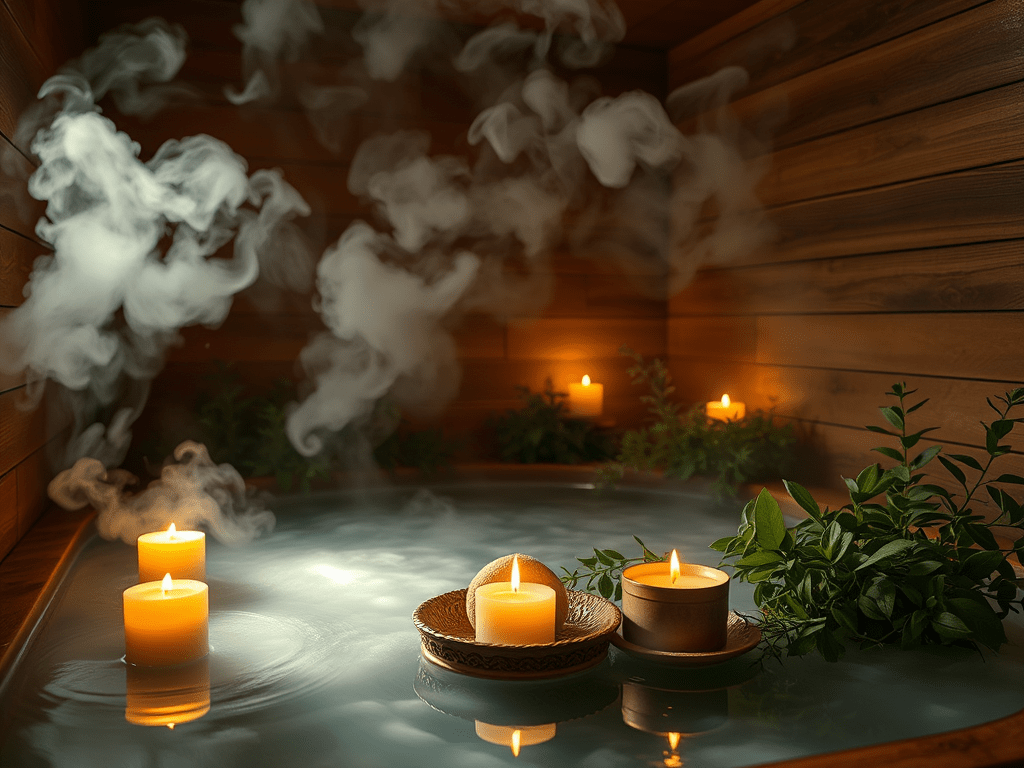
This is one of the most popular Ayurvedic sweating techniques. It involves sitting in a steam chamber where herbal steam is released around the body. This therapy is great for relieving muscle stiffness, improving skin health, and aiding detoxification.
3. Hot Compress (Nadi Svedana)
In this method, herbal decoctions are boiled and applied to affected areas using a cloth or pouch. This is particularly helpful for localized pain relief, joint disorders, and muscle stiffness.
4. Hot Water Bath (Snana)
A simple but effective way to practice Svedana is by soaking in a hot water bath. Adding Ayurvedic herbs like neem, tulsi, or sandalwood can enhance the benefits.
5. Sauna or Steam Room
Modern-day steam rooms or saunas mimic traditional Ayurvedic sweat therapies. Sitting in a steam room for 15–20 minutes can have similar benefits to traditional Svedana.
Who Should (and Should Not) Practice Svedana?
Best Candidates for Svedana:
- Individuals with Kapha dosha (as they naturally have a cold, sluggish system and need heat to stimulate metabolism).
- People suffering from stiff joints, body pain, or congestion.
- Those undergoing a detox or cleansing program.
- Individuals with oily or acne-prone skin (as sweating helps clear pores).
Who Should Avoid Svedana?
While Svedana is beneficial, it is not suitable for everyone. People with the following conditions should be cautious:
1. Pitta-Dominant Individuals
Pitta dosha is already associated with heat and inflammation. Excess sweating can lead to overheating, dehydration, and skin irritation. If you have a Pitta-dominant constitution, avoid excessive steam therapy and opt for cooling alternatives like swimming or lukewarm baths.
2. Severe Weakness or Fatigue
If you are feeling extremely tired or weak, sweating may further drain your energy. It’s best to rest and hydrate instead.
3. Pregnant Women and Young Children
Since their bodies are delicate, excessive sweating can lead to dehydration and imbalance.
4. Heart Conditions and High Blood Pressure
People with cardiovascular issues should avoid high heat exposure, as it can increase blood pressure and cause discomfort.
5. Skin Conditions Like Eczema or Psoriasis
While sweating can help clear toxins, excessive heat may trigger flare-ups in certain skin conditions. It is best to consult an Ayurvedic practitioner before trying Svedana.
Ayurvedic Perspective: Matching Svedana to Your Dosha
Vata Dosha (Air & Space Element)
- Needs warmth but should avoid excessive sweating.
- Best suited for mild steaming or warm oil massages.
Pitta Dosha (Fire & Water Element)
- Naturally warm, so excessive sweating should be avoided.
- Opt for mild steaming or cooling therapies like herbal baths.
Kapha Dosha (Water & Earth Element)
- Most benefits from sweating as it stimulates metabolism.
- Regular exercise and sauna therapy are recommended.
How Often Should You Do Svedana?
- Daily: If done lightly through warm baths or gentle steaming.
- Once a Week: Full-fledged steam therapy for detox and skin health.
- Seasonally: In colder months, more frequent sessions help maintain circulation and warmth.
Conclusion: Sweat Your Way to Better Health!
Svedana is a simple yet powerful Ayurvedic practice that can be easily incorporated into modern lifestyles. Whether through exercise, steam therapy, or a relaxing warm bath, sweating has numerous benefits, from detoxification to improved circulation and skin health.
However, always remember to listen to your body. Not all sweating methods suit everyone, so choose wisely based on your constitution (dosha) and health conditions. If you’re unsure, consulting an Ayurvedic expert can help tailor the best approach for you.
So the next time you feel sluggish or want to give your skin a natural glow—sweat it out, the Ayurvedic way!
Have You Tried Svedana?
Let us know in the comments how you incorporate sweating into your wellness routine. Do you prefer a hot bath, a sauna, or a workout session? We’d love to hear your experiences!
 Ritucharya
Leave a comment