Ayurvedic Daily Routine: Dinacharya Certification Course, Section 8, Lecture 71
Introduction
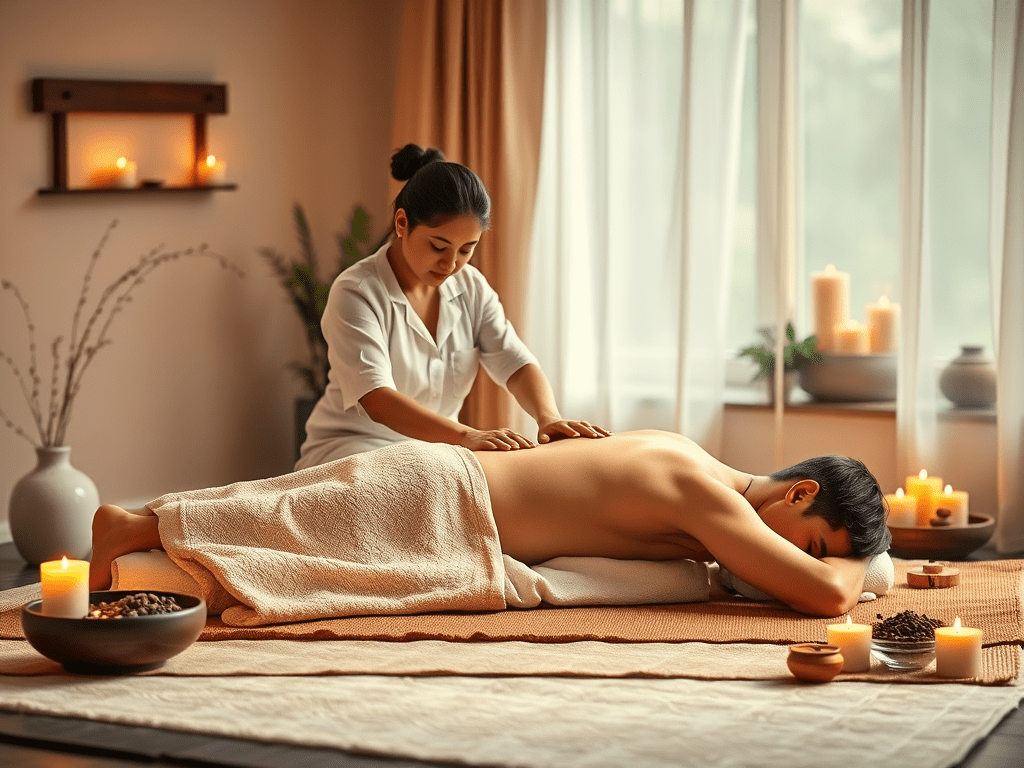
Ayurveda, the ancient Indian science of healing, places immense importance on body massage (Abhyanga) as a method of rejuvenation, relaxation, and therapeutic healing. While Ayurvedic massage has numerous benefits, it is essential to know when it is safe to use and when it should be avoided. In this article, we will explore how Ayurvedic body massage can play a role in both wellness and sickness, including the conditions it can help with and situations where it should be avoided.
When to Avoid Ayurvedic Massage
Ayurvedic massage is beneficial in many cases, but there are certain health conditions where it is best to avoid it. If you are experiencing any of the following issues, it is recommended to rest rather than opt for a massage:
1. Fever and Weakness
When you have a fever, your body is already working hard to fight off an infection. A massage at this time may further exhaust the body rather than provide relief. It is best to allow the fever to subside before considering any form of massage therapy.
2. Diarrhea, Dysentery, or Stomach Ache
During digestive disorders like diarrhea or dysentery, the body loses fluids and energy. Massage can stimulate circulation and digestion, but in such conditions, it may not be suitable. It is essential to let the digestive system stabilize before opting for a massage.
3. Chronic Body Pain (Without Medical Consultation)
If you have chronic pain in any specific part of the body, such as the back, joints, or muscles, consult a physician before undergoing a massage. Conditions like slipped discs, nerve compression, or fractures require medical evaluation before considering Ayurvedic massage.
4. Autoimmune or Inflammatory Conditions
In conditions such as rheumatoid arthritis, lupus, or fibromyalgia, inflammation plays a key role. While Ayurveda offers specialized treatments for these conditions, using oil massages without proper guidance may worsen inflammation. Always consult a trained Ayurveda physician before trying any therapy.
5. Allergies to Oils or Herbs
Many Ayurvedic massages involve the use of herbal oils. If you have known allergies to any specific oil or herb, it is best to avoid using it or conduct a patch test before applying it to larger areas of the body.
Conditions Where Ayurvedic Massage Can Be Beneficial
On the other hand, there are numerous conditions where Ayurvedic massage can provide significant relief and healing.
1. Joint Pain and Osteoarthritis
Ayurvedic massage is highly beneficial for people suffering from joint pain, especially osteoarthritis. The application of warm herbal oils, along with gentle massage techniques, helps improve circulation, reduce stiffness, and slow down the progression of degenerative joint diseases.
2. Headaches and Stress Relief
A relaxing head massage using cooling oils like Brahmi or coconut oil can help reduce stress, tension headaches, and migraines. Ayurvedic scalp massages are known to improve blood circulation in the head, promoting relaxation and better sleep.
3. Improving Circulation and Detoxification
Regular massage helps stimulate blood circulation, remove toxins from the lymphatic system, and enhance overall body metabolism. This is especially useful for people who lead sedentary lifestyles or suffer from sluggish digestion.
4. Anti-Aging and Skin Rejuvenation
Ayurvedic massage nourishes the skin, keeps it hydrated, and prevents premature aging. The oils used in massage, such as sesame oil or almond oil, are rich in antioxidants and essential fatty acids that help in maintaining skin elasticity and glow.
5. Muscle Recovery and Post-Exercise Fatigue
Athletes or individuals who engage in regular physical activity can benefit from Ayurvedic massages to relax muscles, improve flexibility, and speed up recovery from strenuous workouts.
Precautions to Take Before an Ayurvedic Massage
While Ayurvedic massages have numerous benefits, taking the following precautions will ensure a safe and effective experience:
- Consult an Ayurvedic Physician: If you have an existing medical condition, always consult an Ayurvedic expert before undergoing a massage.
- Use Suitable Oils: Each body type (Dosha) – Vata, Pitta, and Kapha – requires different oils. Using the right oil ensures maximum benefit.
- Avoid Immediately After Meals: Massage should ideally be done on an empty stomach or at least two hours after a meal for better absorption of oils.
- Stay Hydrated: Drink plenty of water before and after the massage to flush out toxins released during the therapy.
- Avoid Strong Pressure if Sensitive: If you have sensitive skin, weak muscles, or a history of bruising easily, inform your therapist to adjust the pressure accordingly.
Conclusion
Ayurvedic body massage is a powerful tool for maintaining health and wellness, but it should be used wisely. While it provides great benefits for joint pain, stress relief, and circulation improvement, it is crucial to avoid massage in conditions like fever, digestive distress, and inflammation unless guided by an expert. By understanding when to use and when to avoid Ayurvedic massage, you can make the most of this ancient healing practice for a balanced and healthier life.
If you’re interested in a personalized Ayurvedic massage plan, consider consulting a qualified Ayurveda expert who can guide you based on your unique body constitution and health condition.
Do you have any experiences with Ayurvedic massage? Share your thoughts in the comments below!
 Ritucharya
Leave a comment