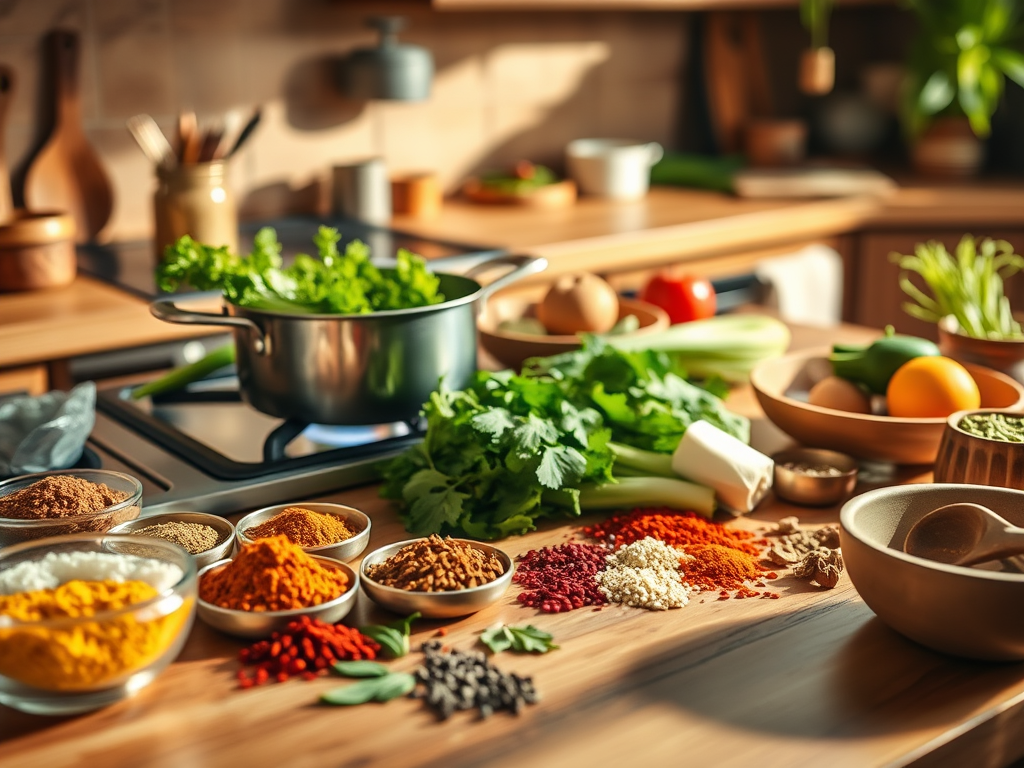
Ayurvedic Daily Routine: Dinacharya Certification Course, Section 13, Lecture 98
Understanding Karan: The Process of Food Preparation
Ayurveda, the ancient Indian science of life, emphasizes not only what we eat but also how we prepare our food. This is encapsulated in the concept of Karan, which refers to the method of food preparation. Even if you choose the most nutritious foods, improper preparation can make the nutrients less bioavailable, meaning your body won’t absorb them efficiently. In some cases, poor preparation may even lead to the creation of toxins in the body.
Let’s explore why food processing is crucial in Ayurveda and how it influences our well-being.
Why Does Food Preparation Matter?
When food is prepared correctly, its nutritional value is enhanced, making it easier for the body to digest and absorb. Proper preparation ensures that the food nourishes the body without causing an accumulation of toxins, also known as Ama in Ayurveda.
Some common issues with food preparation include:
- Overcooking – Can destroy essential nutrients.
- Undercooking – May make digestion difficult and lead to bloating or discomfort.
- Wrong processing methods – Certain foods require specific preparation to make their nutrients more bioavailable.
The Science Behind Cooking in Ayurveda
Ayurveda considers cooking to be an essential process that transforms raw ingredients into easily digestible forms. This concept is similar to how modern nutrition recognizes the effects of cooking on nutrient absorption. Let’s look at some key aspects of Karan in Ayurveda:
1. Cooking Enhances Digestibility
Some foods are difficult to digest in their raw form. Cooking breaks down tough fibers, making nutrients more accessible. For example:
- Lentils and legumes – Cooking reduces their natural anti-nutrients, making them easier to digest.
- Vegetables – Light cooking enhances their digestibility while retaining essential vitamins and minerals.
2. Overcooking and Undercooking
Both overcooking and undercooking can be problematic:
- Overcooking destroys enzymes and vitamins, making food less nutritious.
- Undercooked food can be harsh on the digestive system and lead to bloating or discomfort.
Finding the right balance is key—cooking food just enough to make it digestible without losing its nutrients.
3. The Role of Processing in Ayurveda
Processing methods like roasting, boiling, fermenting, and steaming are often recommended in Ayurveda. Each method impacts the food’s properties and how it affects the body.
For example:
- Boiling: Makes food softer and easier to digest, ideal for those with weak digestion.
- Roasting: Enhances flavor and reduces moisture content, which can be beneficial in certain conditions.
- Fermentation: Increases probiotic content, aiding gut health (e.g., yogurt, idli, dosa).
Sprouted Grains and Ayurveda: A Controversial Topic
In modern health trends, sprouted grains are considered highly nutritious, but Ayurveda has a different perspective. According to Ayurvedic texts, Ankurit Anya (germinated sprouts) are not always recommended.
Why?
- Sprouting changes the natural properties (Prakriti) of food.
- It increases the air element (Vata) in food, which may cause bloating or digestive discomfort in some individuals.
- Sprouted foods can sometimes be harder to digest compared to their cooked counterparts.
For example:
- Green gram (Moong Dal) is excellent for digestion when cooked properly. However, when sprouted, it may not be ideal for everyone.
- Black gram (Urad Dal) is already heavy to digest, and improper processing can make it even harder on the stomach.
Choosing the Right Cooking Method for Your Body Type
Ayurveda recognizes that different body types (Doshas) have unique digestive capacities.
- Vata types (air-dominant) should favor warm, moist foods and avoid excessive raw or sprouted foods.
- Pitta types (fire-dominant) benefit from cooling foods but should avoid excessive frying and spices.
- Kapha types (earth-dominant) should prefer light, dry, and warm foods while avoiding heavy, oily preparations.
By understanding your body type and the nature of food, you can tailor your cooking methods for better health and digestion.
Practical Tips for Ayurvedic Cooking
- Use Fresh Ingredients – Fresh, seasonal foods retain their natural energy and nutrients.
- Cook Mindfully – Ayurveda believes that food absorbs the energy of the cook. Prepare food with positive intentions.
- Avoid Overuse of Microwaves – While convenient, microwaving can alter the natural properties of food.
- Choose the Right Utensils – Cooking in clay, iron, or stainless steel utensils can enhance the quality of food.
- Include Digestive Spices – Spices like ginger, cumin, turmeric, and coriander aid digestion and enhance nutrient absorption.
Conclusion
Food preparation in Ayurveda is much more than just cooking—it is a transformative process that impacts digestion, nutrition, and overall health. By understanding Karan, or food processing, we can ensure that our meals are nourishing and free from harmful effects.
Whether it’s choosing the right cooking method, avoiding over-processing, or being mindful of how food interacts with our body, Ayurveda provides timeless wisdom for a healthier life. So next time you prepare a meal, think about how you’re cooking it—not just what you’re eating!
By making small changes to how we cook and process our food, we can bring balance to our body and mind, leading to better digestion and overall well-being.
 Ritucharya
Leave a comment