Ayurvedic Daily Routine: Dinacharya Certification Course, Section 13, Lecture 97
Introduction
Ayurveda, the ancient Indian system of medicine, places immense importance on food and its role in maintaining health. It describes eight key factors that influence food intake, known as Ashta Ahar Vidhi Ayathan. These factors are mentioned in the revered Ayurvedic text Charaka Samhita and serve as a guide to healthy eating. In this blog, we will explore these dimensions and understand how they impact digestion, nutrition, and overall well-being.
1. Prakriti – The Nature of Food
Prakriti refers to the inherent characteristics of food. Each food item has its unique qualities that affect the body differently. For example:
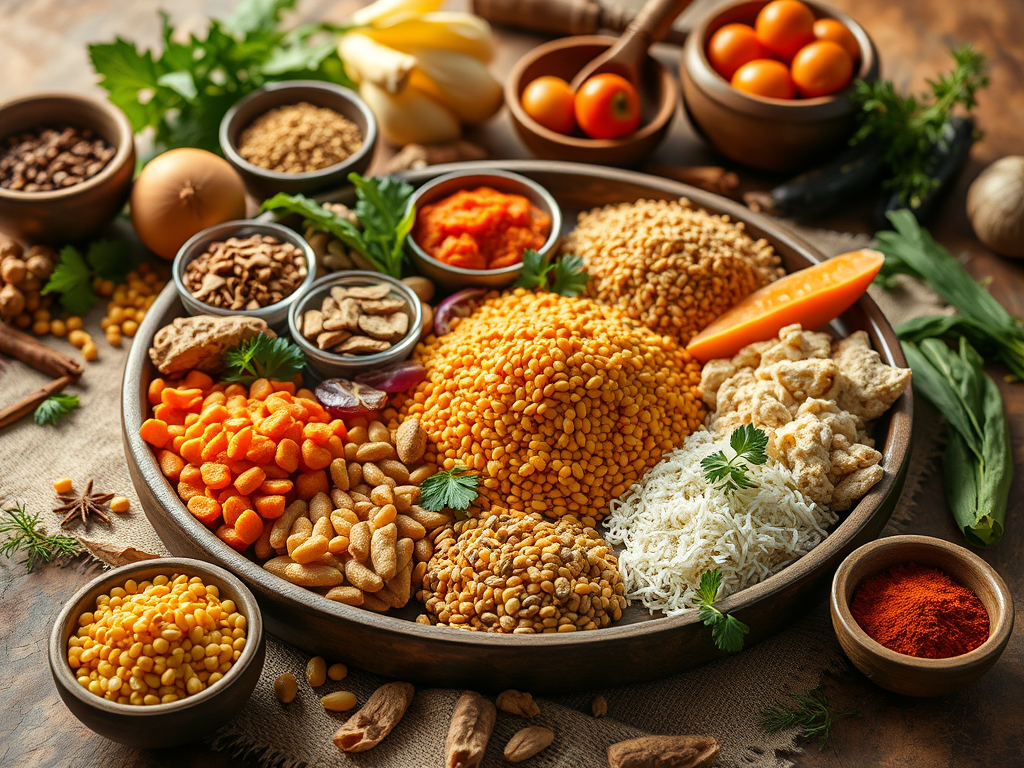
- Moong Dal (Green Gram) – Light and easy to digest, suitable for all body types.
- Urad Dal (Black Gram) – Heavy and highly nutritious but requires strong digestion.
- Cold and Hot Nature – Some foods, like watermelon, have a cooling effect, while others, like ginger, generate heat.
Understanding the nature of food helps in choosing the right diet based on digestive strength and health conditions.
2. Sanskar – Processing and Transformation
Sanskar refers to the changes food undergoes through various processing methods like cooking, soaking, and fermenting. These processes alter the food’s properties, making it more digestible and enhancing its nutritional value. For instance:
- Cooking rice makes it softer and easier to digest.
- Fermenting milk turns it into curd, which is beneficial for gut health.
- Roasting spices enhances their aroma and digestive properties.
3. Desh – Geographic and Climatic Considerations
The place where food is grown influences its properties. Foods that grow in a particular region are usually best suited for the people living there. Ayurveda recommends:
- Consuming seasonal fruits and vegetables for better digestion.
- Eating warm and heavy foods in colder climates and light, cooling foods in hot regions.
4. Kala – Timing of Food Consumption
When you eat is just as important as what you eat. Ayurveda suggests:
- Morning Meal (Breakfast) – Light and nourishing to start the day.
- Midday Meal (Lunch) – The heaviest meal, as digestion is strongest.
- Evening Meal (Dinner) – Should be light and consumed early to aid digestion before sleep.
Additionally, Ayurveda advises avoiding eating late at night and maintaining a regular eating schedule.
5. Upyog Samstha – Rules of Eating
This refers to how food should be consumed for optimal digestion and absorption:
- Eat in a calm and peaceful environment.
- Chew food properly to aid digestion.
- Avoid overeating, as it leads to digestive discomfort.
- Drink water wisely – sipping warm water aids digestion, while drinking too much cold water weakens digestive fire.
6. Rashi – Quantity of Food
Ayurveda emphasizes eating the right portion size based on individual needs. General guidelines include:
- Filling half the stomach with solid food.
- One-quarter with liquids.
- Leaving one-quarter empty for proper digestion.
7. Samyoga – Combination of Foods
Not all foods go well together. Ayurveda warns against incompatible food combinations that can lead to toxins (Ama) in the body. Examples include:
- Milk and Fruits – Hard to digest and may lead to bloating.
- Honey and Ghee in equal proportions – Considered toxic.
- Fish and Dairy – May cause imbalances in digestion.
8. Satmya – Individual Compatibility
Every person has a unique constitution (Prakriti), and some foods suit certain individuals better than others. Ayurveda recommends:
- Observing which foods feel good and which cause discomfort.
- Personalizing diet choices based on digestive capacity and lifestyle.
Conclusion
Understanding Ashta Ahar Vidhi Ayathan helps us make informed food choices for better digestion, health, and longevity. Ayurveda teaches us to eat mindfully, respecting the nature of food, our body’s needs, and the surrounding environment. By following these principles, we can enjoy a balanced and nourishing diet that promotes overall well-being.
So, the next time you sit down for a meal, remember—it’s not just about eating; it’s about eating right!
 Ritucharya
Leave a comment