Tag: Ayurveda
-

Understanding Ashta Ahar Vidhi Ayathan: The Eight Dimensions of Food Intake in Ayurveda
The blog discusses Ayurveda’s principles of healthy eating, focusing on the Ashta Ahar Vidhi Ayathan. It covers key factors such as food nature, processing, regional suitability, timing, eating rules, portion sizes, food combinations, and individual compatibility. This ancient wisdom emphasizes mindful eating for better digestion and overall health.
-

The Ayurvedic Guide to Drinking Water During Meals
The Ayurvedic approach to drinking water emphasizes timing and temperature to enhance digestion. Avoid consuming water immediately before or after meals, and refrain from chilled water. Instead, sip warm water during meals if necessary. Opt for herbal teas or buttermilk post-meal, and avoid sugary drinks to maintain digestive harmony and health.
-

The Ayurvedic Guide to the Best Times to Eat for Optimal Health
Ayurveda emphasizes the importance of meal timing alongside food choices for optimal health. The body’s digestive fire, or Agni, is strongest at noon, making lunch the most significant meal. Morning should consist of lighter foods, while heavy meals are discouraged before sunrise and after sunset to prevent toxin buildup. Aligning eating habits with natural rhythms…
-

When to Avoid Applying Anjan: An Ayurvedic Perspective
Anjan, an Ayurvedic eye kohl, enhances vision but may cause discomfort under certain conditions. Ayurveda advises against its use when experiencing imbalances such as autoimmune disorders, poor digestion, fever, emotional distress, excessive exertion, or after alcohol consumption. Following Ayurvedic guidelines is crucial to prevent eye irritation and maintain health.
-

When Should You Avoid Applying Anjan? A Complete Ayurvedic Guide
Anjan, an Ayurvedic eye-care remedy, offers cooling benefits but can cause harm when misused. Avoid applying it after exercise, during severe bloating, after crying, or when feeling stressed. Conditions like fever, migraines, and exposure to pollutants also warrant caution. Prioritize balance and listen to your body to prevent discomfort.
-

The Art of Applying Anjan: Ayurvedic Wisdom for Healthy Eyes
The Ayurvedic practice of Anjan, or Collyrium, is essential for eye health, involving specific applicators like Chalaka made from various materials. Applying Anjan effectively enhances vision and balances eye heat, especially at night. Proper technique and timing are crucial for maximizing benefits and ensuring eye safety in this traditional routine.
-

The Best Time to Apply Anjan: Ayurvedic Wisdom for Healthy Eyes
The Ayurvedic practice of applying Anjan (Kajal) is essential for eye health, yet its timing matters significantly. Applying it during the day can disrupt the eyes’ natural cooling, leading to irritation and damage. Instead, use Anjan in the evening or at night, while herbal varieties are suitable for morning use.
-
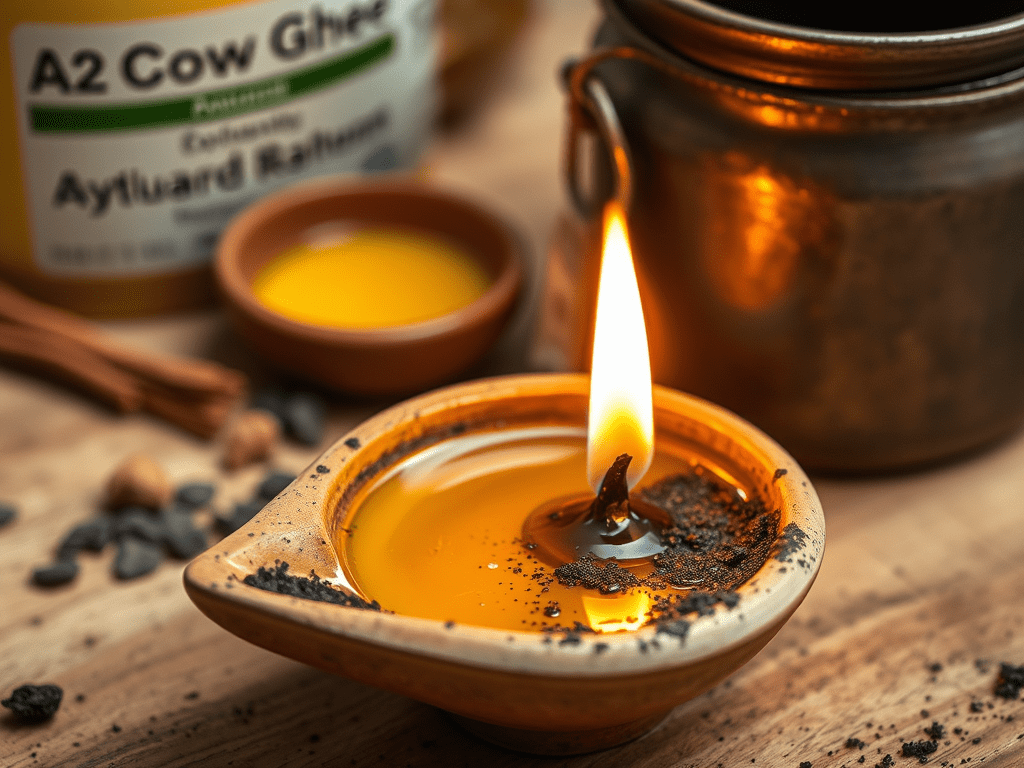
How to Make Ayurvedic Anjan at Home: A Simple Guide
This content explains how to prepare Ayurvedic Anjan (Kajal/Collyrium) at home using simple ingredients like mustard oil, cotton wicks, and ghee. The process involves collecting soot from a burning lamp and mixing it with ghee, along with tips for enhancing effectiveness and safely storing the product.
-

The Ancient Art of Anjan: Ayurvedic Eye Care for Clarity and Health
Ayurvedic Anjan, or medicated eye preparations, promote eye health and vision improvement. Two types exist: Mridu Anjan for regular use and Tikshna Anjan for therapeutic needs. Benefits include enhanced vision, discomfort relief, and strain reduction. Safe application is crucial, and precautions must be taken for certain eye conditions.
-
The Ayurvedic Wisdom of Bathing: When Should You Skip a Bath?
The Ayurveda-based guidelines emphasize the importance of timing in bathing, detailing when it may be detrimental to health. Conditions like nervous disorders, infections, digestive issues, and temperature sensitivity warrant caution. Ayurvedic practices recommend using warm water, oil massaging, and bathing in the morning to enhance well-being while respecting individual health needs.
 Ritucharya