Ayurvedic Daily Routine: Dinacharya Certification Course, Section 6, Lecture 48
Introduction
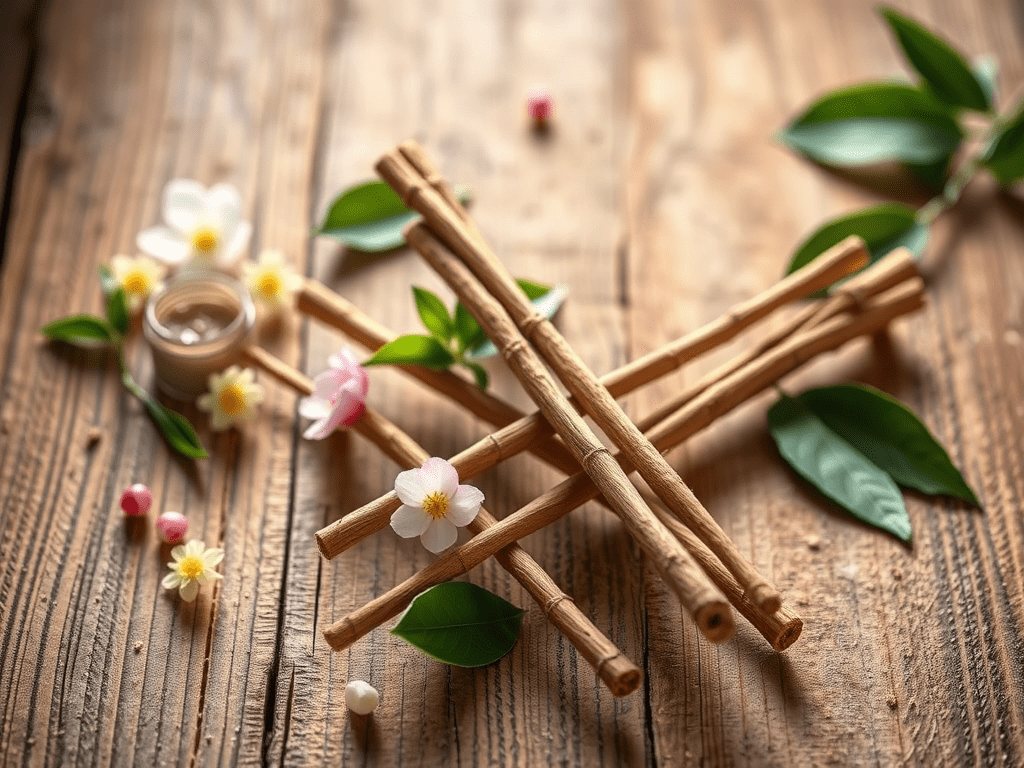
In the realm of Ayurveda, oral hygiene has always been a priority, and one of the most effective traditional tools for maintaining oral health is the dental stick. These are not your ordinary toothbrushes, but natural twigs from medicinal trees like neem, babool, and khadira. Used for centuries, these dental sticks offer numerous benefits beyond just cleaning your teeth. They can improve taste perception, enhance digestion, and even stimulate the mind!
The Ancient Wisdom of Dental Sticks
Long before modern toothpaste and toothbrushes became commonplace, our ancestors relied on nature for oral care. Ayurveda, the ancient Indian system of medicine, describes the use of herbal dental sticks to maintain oral hygiene, stimulate taste buds, and even balance the body’s doshas (Vata, Pitta, and Kapha).
What Makes a Good Dental Stick?
According to Ayurveda, not all trees are suitable for dental hygiene. The best dental sticks should have specific properties, including:
- Tastes: Pungent, bitter, or astringent.
- Texture: Soft, flexible, and slightly juicy.
- Medicinal benefits: Antibacterial, anti-inflammatory, and digestive-stimulating properties.
Dental sticks from trees with sweet, sour, or salty tastes should be avoided as they do not benefit the oral cavity and may even lead to dental issues.
The Many Benefits of Using Ayurvedic Dental Sticks
1. Enhances Oral Hygiene
Herbal dental sticks effectively remove plaque, strengthen gums, and prevent bad breath. Their natural antibacterial properties help in eliminating harmful bacteria that cause cavities and gum diseases.
2. Boosts Appetite and Digestion
One of the most surprising benefits of using dental sticks is their effect on digestion. They stimulate the taste buds, enhancing the perception of flavors and making food more enjoyable. For individuals suffering from anorexia or lack of appetite, chewing on a neem dental stick can help restore hunger.
3. Balances Doshas in the Body
- The oral cavity is a region dominated by Kapha dosha, and the bitter, pungent, and astringent tastes of herbal sticks help to balance excess Kapha.
- However, those suffering from Vata-related disorders (like dry mouth or digestive irregularities) should be cautious, as excessive use of certain sticks might aggravate Vata.
4. Mental Clarity and Focus
Ayurveda believes that oral health is connected to the mind. The sharp, stimulating juices released while chewing a herbal stick awaken the senses and enhance mental alertness. This can be particularly beneficial in the morning as a natural way to feel refreshed and focused.
5. Eco-Friendly and Sustainable
Unlike plastic toothbrushes, which contribute to environmental pollution, dental sticks are completely biodegradable. Once used, they can be discarded without harming nature, making them a perfect choice for an eco-conscious lifestyle.
When to Avoid Dental Sticks?
While these herbal twigs have multiple benefits, Ayurveda also advises against their use in certain health conditions.
Avoid using dental sticks if you suffer from:
- Mouth ulcers: Bitter sticks can aggravate Pitta dosha, which is already high in ulcer conditions.
- Earaches or severe eye disorders: Excessive stimulation of nerves through dental sticks can worsen these conditions.
- Chronic vomiting (Shirdi) or severe indigestion: They can aggravate Vata dosha, making digestion even weaker.
- Cardiac disorders: If you suffer from angina or heart blockages, excessive Vata aggravation from dental sticks may not be suitable.
- Facial paralysis and fever: In these conditions, Ayurveda recommends avoiding excess oral stimulation.
How to Use an Ayurvedic Dental Stick Correctly?
Using a herbal twig for brushing is different from using a toothbrush. Follow these steps for effective use:
- Choose the Right Stick: Neem, babool, or khadira are excellent options.
- Prepare the Stick: Peel off the outer layer of the twig and chew one end until it forms bristles.
- Brush Gently: Use the chewed end to brush your teeth and gums softly.
- Scrape the Tongue: Some sages even split the stick and used it as a natural tongue scraper.
- Discard Naturally: Once done, throw it in a compost bin or soil.
Conclusion
Ayurvedic dental sticks are more than just a replacement for modern toothbrushes. They are a holistic oral care solution that cleanses the mouth, stimulates digestion, balances doshas, and sharpens the mind. By switching to this ancient method, you are not only improving your health but also embracing a sustainable and eco-friendly lifestyle.
So, the next time you reach for a toothbrush, why not try a neem or babool stick instead? Your body and the planet will thank you!
 Ritucharya
Leave a comment