Ayurvedic Daily Routine: Dinacharya Certification Course, Section 5, Lecture 32
Introduction
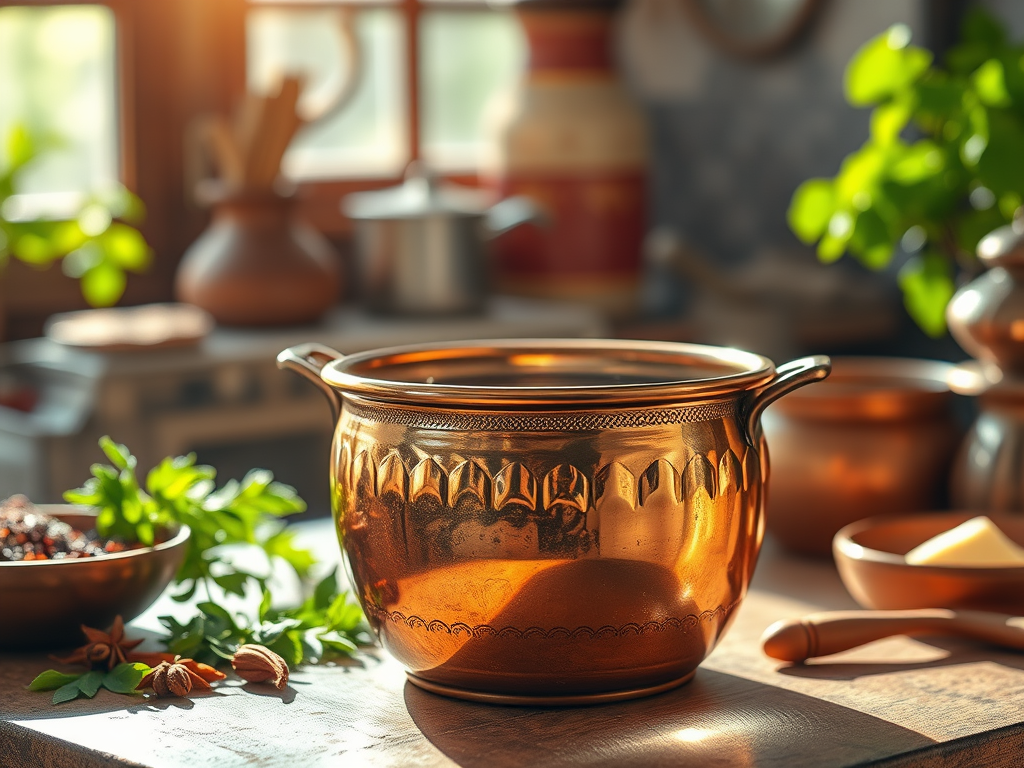
Drinking water from copper vessels is an age-old tradition rooted in Ayurveda. Many people believe that copper-infused water offers health benefits, such as improved digestion, better immunity, and detoxification. However, there is an important aspect of using copper vessels that is often overlooked—the process of tinning or “Kalai.” Without this essential step, drinking water from copper vessels could be harmful rather than beneficial.
So, should you drink water from copper vessels? Let’s explore the facts and understand the right way to do it safely.
The Traditional Use of Copper Vessels
Historically, copper was widely used in making utensils, storage containers, and even Ayurvedic medicines like copper bhasma (purified copper ash). This was because copper has antimicrobial properties that help keep water fresh and free from harmful bacteria. However, in ancient times, people did not use raw copper vessels directly—they followed a crucial process called Kalai, or tinning, to make them safe for use.
What is Kalai (Tinning)?
Kalai is a traditional method of coating the inner surface of copper and brass utensils with a thin layer of tin. This prevents direct contact between food or water and the reactive metal surface. In India, traveling vendors used to provide this tinning service regularly. In fact, historical records show that the copper and brass vessels used by Emperor Akbar were tinned twice a month, while those used by princes were tinned once a month.
This practice ensured that the vessels remained safe for everyday use and prevented the formation of toxic compounds.
The Dangers of Using Untinned Copper Vessels
Many modern users of copper bottles and jugs are unaware of the dangers of drinking water from raw, untinned copper vessels. Here’s why you should never skip the Kalai process:
1. Copper Oxide and Toxicity
When exposed to air and moisture, copper reacts and forms copper oxides. Over time, this results in the formation of greenish-blue copper salts, commonly known as patina or verdigris. These compounds are toxic to the human body and can cause severe health issues such as nausea, vomiting, and diarrhea.
2. Corrosion and Rusting
Copper is a reactive metal. If left exposed to acidic foods or drinks, it can corrode, leading to increased copper leaching into the water or food stored in it. Long-term consumption of excess copper can lead to copper toxicity, affecting the liver and kidneys.
3. Heavy Metal Poisoning
Excessive copper accumulation in the body can lead to heavy metal poisoning. Symptoms include fatigue, headaches, dizziness, and even neurological disorders in extreme cases.
The Right Way to Use Copper Vessels Safely
If you want to enjoy the benefits of copper water without the risks, follow these guidelines:
1. Always Use Tinned Copper Vessels
Make sure your copper vessels undergo the Kalai process before use. If you already own a copper vessel, check if it has a smooth, silvery lining inside—this indicates that it has been properly tinned.
2. Get Your Vessels Re-Tinned Regularly
Over time, the tin layer wears off, so it is important to get your vessels re-tinned at least once every 3–6 months, depending on usage.
3. Avoid Storing Acidic Liquids in Copper Vessels
Acidic substances like lemon juice, vinegar, and tamarind can react with copper, causing toxic leaching. Always use non-reactive containers for such liquids.
4. Clean Your Copper Vessels Properly
To prevent the buildup of copper oxides, clean your vessels regularly using:
- A mixture of lemon and salt
- A paste of vinegar and baking soda
- Mild dish soap and warm water (for everyday cleaning)
5. Use Copper Water Correctly
If using a copper vessel for water storage:
- Fill the vessel with water and let it sit overnight (8–12 hours).
- Drink the water in the morning.
- Do not store water for more than 24 hours, as prolonged storage can lead to excessive copper leaching.
Will the Tradition of Kalai Return?
With the increasing popularity of copper vessels for health benefits, there is a growing need for awareness about proper usage. In ancient India, Kalai vendors were a common sight, ensuring that copper and brass utensils were tinned regularly. If more people understand the importance of tinning, this practice could make a comeback globally.
Imagine a world where Kalai vendors operate once again, ensuring that all copper utensils are safe for use! Not only would this protect people from copper toxicity, but it would also revive a valuable tradition that once played a key role in maintaining good health.
Conclusion
Drinking water from copper vessels can be incredibly beneficial—but only when done correctly. If you are considering using copper water, make sure you follow the proper precautions:
- Use tinned copper vessels.
- Get them re-tinned regularly.
- Avoid storing acidic liquids.
- Clean them properly.
By understanding and respecting these traditional methods, you can enjoy the amazing health benefits of copper water without any risks. So, go ahead and embrace this ancient wisdom—but do it the right way!
 Ritucharya
Leave a comment