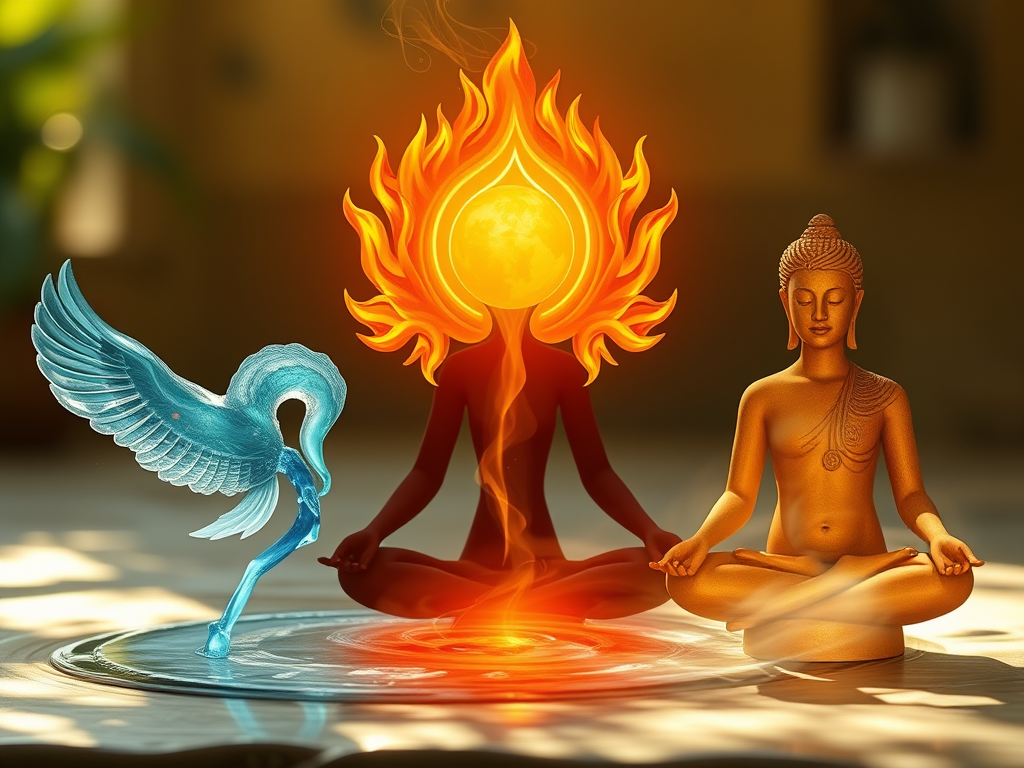
Section: The Concept of Ayurvedic Body Type – Prakrati, Lecture 35: What is the classical definition of Prakrati (Ayurvedic Body Constitution)?
In the realm of Ayurveda, the ancient science of life, the concept of Prakriti holds immense significance. Prakriti refers to the inherent constitution or nature of an individual. It is determined before birth and remains constant throughout one’s life. While Ayurveda offers a holistic approach to health and well-being, understanding Prakriti is the first step in personalized care. This understanding guides individuals to maintain balance and prevent disease based on their unique constitution.
What is Prakriti?
Prakriti can be defined in its most basic form. It is the unique combination of physical, mental, and emotional characteristics. These characteristics shape a person’s individuality. It is the blueprint of an individual’s nature, determined by the proportions of the three primary energies or doshas – *Vata, **Pitta, and *Kapha – that govern our body and mind. This constitution is determined before birth and continues throughout life, unaffected by external influences.
The classical definition of Prakriti, derived from the ancient Vaisheshika school of philosophy, states:
“Janam maran antaral bhavini urvi Carine Dosha prakriti.”
This can be interpreted as: Prakriti is the qualitative and quantitative predominance of doshas. These doshas remain unchanged from birth to death.
The Doshas: Vata, Pitta, and Kapha
The three doshas, *Vata, **Pitta, and *Kapha, form the core of Ayurvedic theory and are responsible for the physiological and psychological functions of the body. They are influenced by the elements of nature. They interact with each other to create balance or imbalance in the body.
- Vata (Air and Ether): Vata governs movement, circulation, and the nervous system. It is responsible for all bodily movements. This includes the movement of the breath, the heartbeat, and the transmission of nerve impulses. People with a predominance of Vata tend to be creative, quick-thinking, and energetic. However, they may also be prone to anxiety, dryness, and irregularity.
- Pitta (Fire and Water): Pitta controls digestion, metabolism, and transformation in the body. It governs the process of converting food into energy. It is responsible for body heat. It also affects the body’s ability to digest both food and emotions. Individuals with a dominant Pitta constitution tend to be intelligent, focused, and driven. However, they may also experience irritability, inflammation, and digestive issues when out of balance.
- Kapha (Earth and Water): Kapha is responsible for structure, stability, and lubrication. It governs the body’s physical structure, including bones, muscles, and the immune system. People with a predominance of Kapha are typically calm, nurturing, and grounded. However, when they are out of balance, they may struggle with weight gain. They might also experience lethargy and emotional heaviness.
These doshas form the foundation of a person’s Prakriti, and each individual has a unique blend of these energies. The dominance of one or more doshas in an individual will determine their physical, emotional, and mental characteristics, as well as their susceptibility to specific health conditions.
The Unchanging Nature of Prakriti
One of the most important aspects of Prakriti is that it does not change throughout a person’s lifetime. Just like a person’s genetic code, Prakriti is something inherent that is established before birth. It is an essential part of an individual’s identity, dictating their inherent tendencies, strengths, and weaknesses.
Prakriti: The Ayurvedic Genetic Blueprint
Prakriti can be thought of as analogous to a person’s genetic code in modern science. Genes determine our physical characteristics, like eye color, height, and susceptibility to certain diseases. Similarly, Prakriti governs our unique physical and mental constitution. This concept highlights the intrinsic nature of Prakriti. It suggests that Prakriti cannot be altered. However, it can be understood and managed.
Genetic predispositions can be activated or deactivated through lifestyle choices. Environmental factors and other influences also play a role. Similarly, Prakriti can be balanced or exacerbated through lifestyle, diet, and daily habits. This understanding forms the foundation of Ayurvedic health practices that aim to maintain harmony within the body and mind.
The Importance of Maintaining Balance
While Prakriti is unchanging, it is important to maintain balance within the doshas that define it. Imbalances in the doshas can lead to disease, discomfort, and mental distress. This is where Ayurveda comes in, offering strategies to maintain equilibrium based on one’s unique constitution.
Balancing Your Doshas
Each individual has a dominant dosha. Ayurveda suggests that people live in harmony with their nature. They should follow personalized guidelines for diet, exercise, sleep, and mental well-being. Here’s how you can balance your doshas according to your Prakriti:
1. Diet and Nutrition
Your diet plays a critical role in maintaining the balance of your doshas. Each dosha has specific dietary preferences and imbalances can be corrected through food choices. For example:
- Vata types benefit from warm, moist, and grounding foods like soups, stews, and dairy products. These foods help calm the dry, light, and cold qualities of Vata.
- Pitta types should favor cooling, soothing foods like cucumbers, dairy, and coconut. Pitta’s fiery nature benefits from foods that calm and cool the body.
- Kapha types should eat lighter, stimulating foods. This includes spicy, bitter, and astringent foods like leafy greens, beans, and warm grains. These can counterbalance Kapha’s heavy and cool nature.
2. Exercise and Physical Activity
Exercise is also an essential tool for balancing the doshas. The type of exercise that benefits you depends on your Prakriti:
- Vata types should focus on grounding exercises. Activities like yoga, walking, or swimming help regulate the nervous system. They promote stability.
- Pitta types may thrive on more intense, competitive sports. They might prefer exercises like running or weightlifting. However, they should be mindful of overexertion that could lead to burnout.
- Kapha types benefit from vigorous activities like aerobics or running, which stimulate the body and prevent sluggishness.
3. Lifestyle and Stress Management
Stress management is crucial in Ayurveda, as it can affect the doshas and lead to imbalances. Meditation, mindfulness practices, and regular routines help stabilize the doshas. Tailoring your lifestyle to your Prakriti ensures that your mind and body are in sync.
- Vata types benefit from routines that instill regularity, helping to counteract their tendency toward instability.
- Pitta types should engage in calming activities. These activities include meditation or deep breathing exercises. Such practices help cool their intense mental and emotional energy.
- Kapha types benefit from routines that incorporate movement and mental stimulation to avoid lethargy and emotional heaviness.
Can Prakriti Change Over Time?
While the core of Prakriti remains unchanged, external factors can influence the balance of the doshas. Lifestyle choices, environmental factors, and stress can disturb the natural balance of the doshas, leading to physical or emotional imbalances. In Ayurveda, this is known as Vikriti – the current state of imbalance.
By following Ayurvedic principles tailored to your *Prakriti, you can prevent or correct *Vikriti and maintain health and vitality. Genetic expressions can be influenced by external factors. Similarly, the doshas can be adjusted and balanced for optimal health.
Conclusion
Understanding Prakriti is the first step toward living a life of balance and well-being according to Ayurvedic principles. It teaches us that while our constitution is set before birth, we have the power to maintain its harmony. Through conscious choices about diet, lifestyle, and self-care practices, we can influence our well-being. By aligning our daily routines with our unique Prakriti, we can prevent disease. We can also manage stress. This alignment allows us to enjoy a more vibrant and healthy life.
Prakriti serves as a reminder that our individuality is sacred. By respecting our unique constitution, we unlock the potential for a balanced and harmonious life.
 Ritucharya
Leave a comment