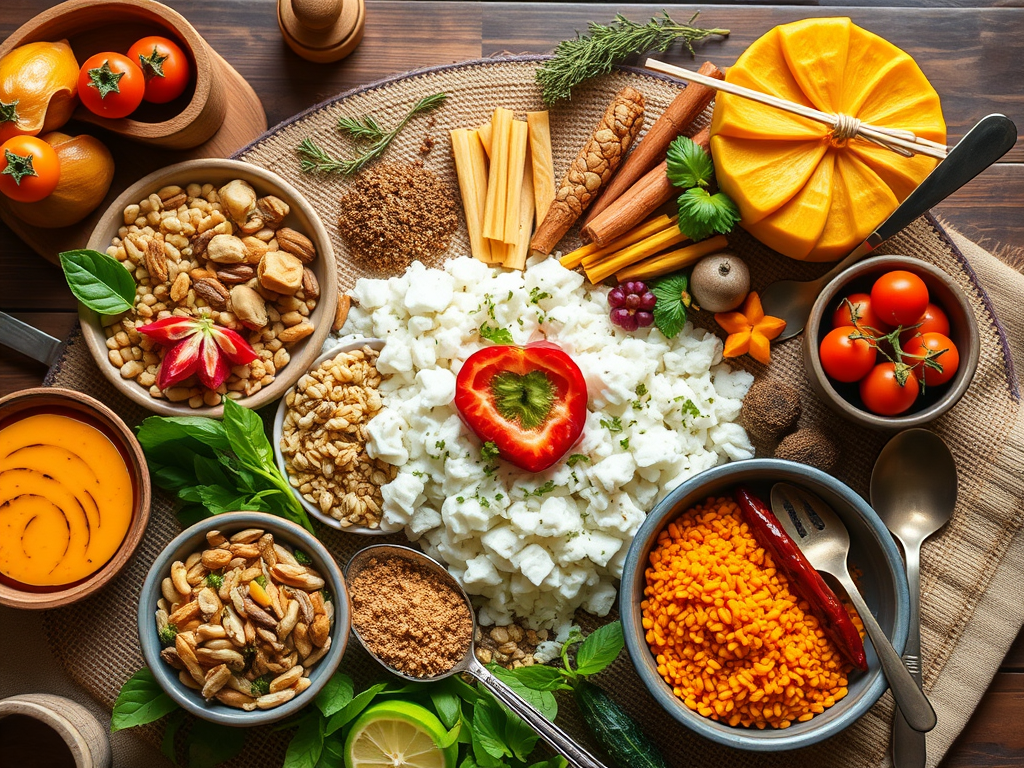
Ayurvedic Daily Routine: Dinacharya Certification Course, Section 13, Lecture 96
Introduction
Ayurveda, the ancient Indian system of medicine, emphasizes a holistic approach to health. According to Ayurveda, three fundamental pillars sustain life: Ahar (Food), Nidra (Sleep), and Brahmacharya (Positive Conduct). These three elements form the foundation of a balanced and healthy life.
In this blog, we will focus on Ahar (Food)—an essential component of Ayurvedic living. We will explore what to eat, when to eat, how to eat, and the role of seasonal food habits (Ritucharya) in maintaining good health.
The Importance of Ahar (Food) in Ayurveda
Food is considered not just a means of sustenance but a source of energy that nourishes the body, mind, and soul. Ayurveda teaches that the right food, eaten in the right way and at the right time, can prevent diseases and promote longevity.
Understanding Ritucharya: Eating According to Seasons
Ayurveda recognizes six seasons (Ritus), and food choices should align with these seasonal changes to maintain balance in the body.
- Spring (Vasanta): Light, warm, and dry foods to counteract mucus buildup.
- Summer (Grishma): Cooling and hydrating foods like fruits, yogurt, and buttermilk.
- Monsoon (Varsha): Easily digestible foods with spices to boost digestion.
- Autumn (Sharad): Mildly cooling foods like rice, milk, and ghee.
- Early Winter (Hemanta): Nourishing and oily foods to sustain energy.
- Late Winter (Shishira): Warm, heavy, and slightly spicy foods to keep the body warm.
What to Eat According to Ayurveda
Ayurveda categorizes food based on its impact on the three doshas—Vata, Pitta, and Kapha.
- Vata-Pacifying Foods: Warm, moist, and grounding foods like soups, dairy, nuts, and cooked vegetables.
- Pitta-Pacifying Foods: Cooling foods like cucumbers, melons, coconut, and dairy products.
- Kapha-Pacifying Foods: Light, dry, and warming foods like legumes, spices, and leafy greens.
When and How to Eat
1. Eat at Regular Intervals
Ayurveda advises eating meals at set times every day to regulate digestion.
- Breakfast: Light and nourishing.
- Lunch: The heaviest meal of the day (between 12 PM – 2 PM).
- Dinner: Light and consumed at least two hours before bedtime.
2. Avoid Overeating
Ayurveda suggests that we should only eat until we are 75% full to leave space for digestion.
3. Eat Mindfully
- Avoid distractions like TV or mobile phones while eating.
- Chew food properly to aid digestion.
- Eat in a calm and pleasant environment.
Foods to Avoid
Certain foods disrupt digestion and create imbalances in the body:
- Processed and junk food – Difficult to digest and often laden with unhealthy fats and chemicals.
- Cold beverages – Chilled water can slow digestion and weaken digestive fire (Agni).
- Heavy, greasy, or excessively spicy foods – These can cause indigestion, bloating, and acidity.
Special Ayurvedic Food Practices
1. Drinking Water the Right Way
- Avoid drinking water immediately before, during, or after meals, as it dilutes digestive juices.
- If needed, sip warm water with meals to aid digestion.
- Add black salt or dry ginger powder to water to prevent digestive disturbances.
2. Eating Seasonal and Local Foods
Eating fresh, local, and seasonal foods aligns with the body’s natural rhythms and ensures proper nutrition.
3. Buttermilk Over Milkshakes
Ayurveda discourages consuming milk with fruits (e.g., milkshakes) as they can lead to digestive issues. Instead, opt for buttermilk after meals to improve digestion.
Conclusion
Food is much more than just nourishment in Ayurveda—it is medicine, energy, and life itself. By following these Ayurvedic guidelines on food intake, meal timing, and seasonal eating, you can achieve better digestion, enhanced energy levels, and overall well-being.
Start making small changes today and feel the difference in your health! Happy eating! 🥗🥛🍛
 Ritucharya
Leave a comment