-
The Ayurveda-based guidelines emphasize the importance of timing in bathing, detailing when it may be detrimental to health. Conditions like nervous disorders, infections, digestive issues, and temperature sensitivity warrant caution. Ayurvedic practices recommend using warm water, oil massaging, and bathing…
-
The Ancient Art of Ubtan: A Timeless Ayurvedic Ritual for Glowing Skin
Ubtan is an ancient Ayurvedic skincare practice that cleanses, detoxifies, and rejuvenates the skin using a herbal paste. Its benefits include deep cleansing, hair removal, improved circulation, and skin brightening. Incorporating Ubtan into your routine promotes overall well-being and connects…
-
The Ayurvedic Way: Using Pumice Stone for Healthy Skin
The Ayurvedic approach to skincare emphasizes harmony between body and mind, advocating the use of pumice stones instead of commercial soaps. Pumice naturally exfoliates and detoxifies skin, adjustable by body type. It’s eco-friendly, reduces chemical use, and effectively rejuvenates skin.…
-

The Ayurvedic Art of Bathing: A Soap-Free Cleansing Ritual
Ayurveda recommends avoiding commercial soaps for daily cleansing as they strip natural oils, disrupt pH balance, and increase skin sensitivity. Instead, techniques like Ubtan and pumice stones offer natural alternatives that cleanse, nourish, and rejuvenate the skin. These methods also…
-

The Ayurvedic Approach to Bathing After Massage and Exercise
Ayurveda emphasizes the timing and temperature of bathing post-massage and exercise to avoid health issues. Individuals should wait 15-30 minutes before bathing and adjust water temperature according to their Dosha. Vata and Kapha types need warm water, while Pitta types…
-
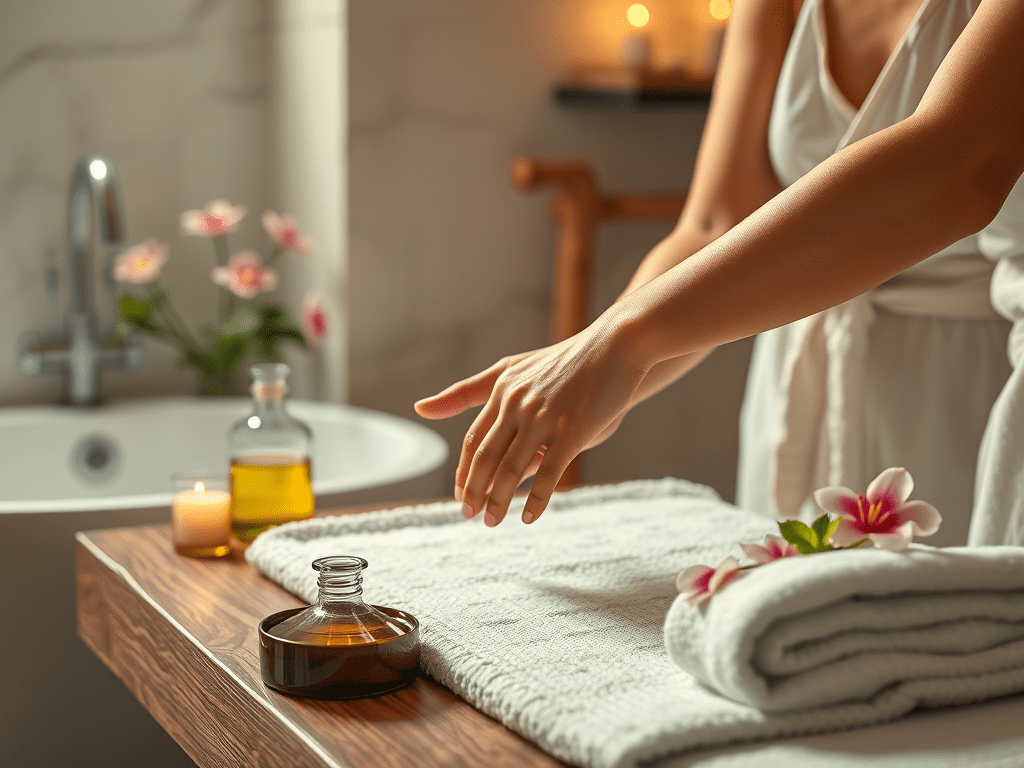
The Ayurvedic Guide to Bathing and Self-Massage
Bathing is crucial in Ayurveda for daily self-care, especially after an oil massage to avoid skin issues. Oils nourish different body types but should not remain on the skin for long durations. The article highlights proper bathing techniques post-massage and…
-
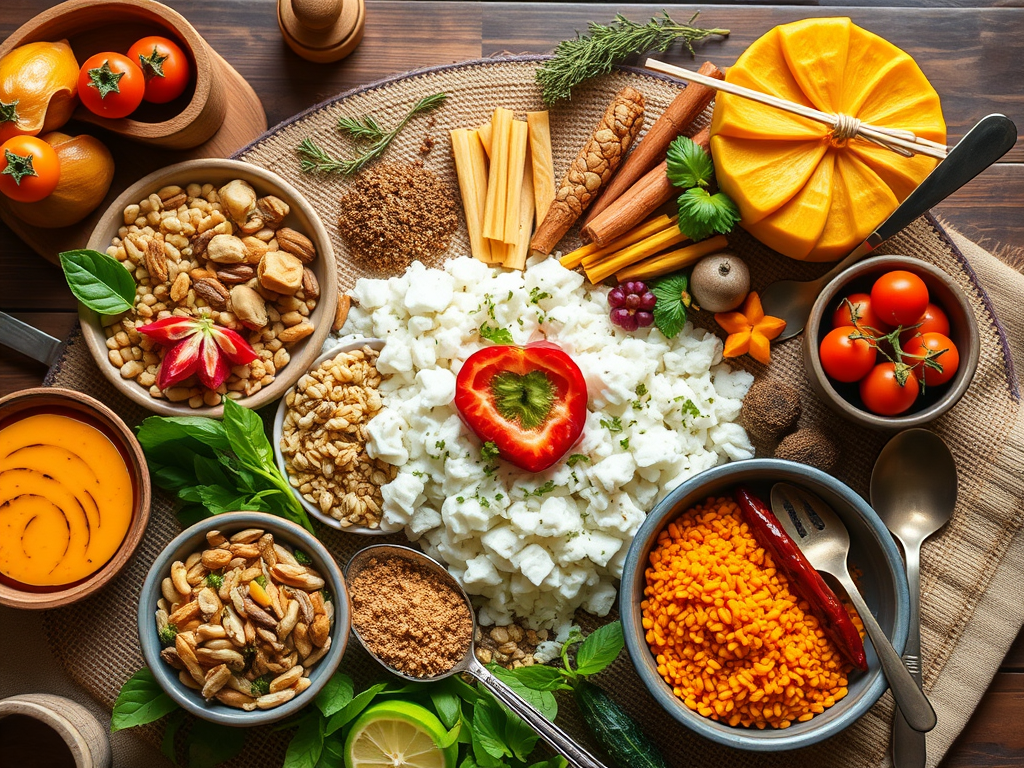
The Three Pillars of Life: A Guide to Ayurvedic Food Practices
Ayurveda emphasizes the importance of Ahar (food) as a cornerstone of health, advocating for seasonal eating and mindful practices. Proper food choices align with body doshas, aiding digestion and promoting well-being. Key guidelines include regular meal times, avoiding overeating, and…
-

Understanding Ayurvedic Prakriti: Your Body Type Explained
Understanding Ayurvedic Prakriti: Your Body Type Explained Ayurveda, the ancient Indian system of medicine, classifies individuals based on their unique body constitution or *Prakriti*. This inherent nature is determined by the balance of the three doshas—Vata, Pitta, and Kapha—which influence…
-
How Anu Taila Supports Respiratory Health in COVID-19
In our previous blog, we explored the general benefits of Anu Taila and discussed Coronil. Now, let’s focus on how Anu Taila can support the management of COVID-19 symptoms through an Ayurvedic lens. Understanding COVID-19 Symptoms COVID-19 primarily affects the…
-

The Ayurvedic Art of Fermentation (Svedana): A Detoxifying Wellness Ritual
Svedana is an Ayurvedic detoxification technique that induces sweating to eliminate toxins and improve circulation. It is performed after an oil massage and benefits include detoxification, pain relief, balanced doshas, and healthier skin. Methods to practice Svedana at home include…
Join 900+ subscribers
Stay in the loop with everything you need to know.
 Ritucharya